Themed Garden Design: A Comparison of English, Japanese, and Mediterranean Styles
A themed garden is an extension of its owner’s aesthetics and lifestyle, with each style carrying a unique ambiance—the romantic wilderness of an English garden, the meditative tranquility of a Japanese garden, and the vibrant brightness of a Mediterranean garden. Each uses its own design language to create an enchanting outdoor space. By comparing their core characteristics, landscape elements, and design techniques, one can better identify the garden style that aligns with personal taste.
1. English Garden: A Romantic “Canvas of Nature”
At the heart of English garden design is the principle of “imitating nature, yet surpassing it.” It seeks abundant floral displays while maintaining an air of casual wildness, as if distilling the countryside into the courtyard—perfect for those who love vibrant, flower-filled spaces.
Landscape elements often rely on curves: winding gravel paths weaving through flower borders, irregular lawns paired with naturalistic ponds, and the occasional wooden arch or pergola draped with climbing roses or wisteria, creating a romantic “every step, a new view” effect. Vintage wrought-iron plant stands, white wooden benches, and bird feeders further enhance the cozy charm of an English countryside garden.
Color schemes emphasize richness and softness, with flowers in pale pink, lavender, buttery yellow, and sky blue planted in layers. Roses, hydrangeas, lavender, and foxgloves interweave to form lush displays. Greenery serves as the backdrop, with textural contrast—like the delicate fronds of ferns against the broad leaves of hostas—adding depth.
Planting choices focus on year-round interest: tulips and daffodils in spring, roses and water lilies in summer, chrysanthemums and salvias in autumn, and evergreen ivy or holly sustaining vibrancy through winter.
2. Japanese Garden: A Meditative “Sanctuary of the Spirit”
Japanese gardens follow the ideals of “minimalism and harmony with nature,” using simple elements to express deep tranquility. They downplay human intervention, emphasizing coexistence with the natural world—ideal for those seeking peace, meditation, and quiet reflection.
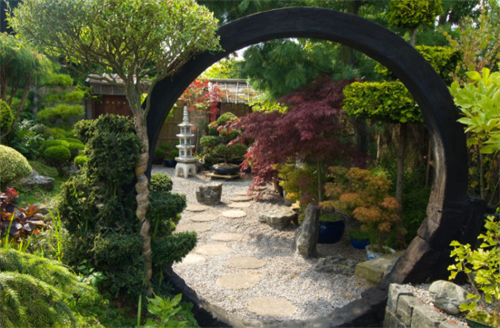
Landscape elements center on natural imagery. Dry gardens take a traditional approach, with white gravel suggesting flowing water and strategically placed stones standing in for mountains or islands—creating the essence of a landscape without the presence of actual water.Bamboo features such as fences, spouts, and lanterns are common, complemented by low mosses and ferns for an understated, organic feel. Japanese gardens also often employ the technique of “borrowed scenery,” incorporating outside views of trees or distant hills to extend the sense of space.
Color schemes are subdued and restrained, dominated by shades of black, white, gray, light brown, and deep green. Bright colors are rare; instead, contrast is created through foliage in varying greens, white gravel, and natural wood, fostering a calm atmosphere.
Planting choices favor low-growing, shade-tolerant species such as moss, iris, Japanese maple, and black pine. Emphasis is placed on plant form rather than blossoms: the gnarled branches of pine or the seasonal color shifts of maples become focal points. Plantings are sparse, with generous “empty space” left to avoid clutter.
3. Mediterranean Garden: A Sunny “Secret Haven”
Mediterranean gardens revolve around sunlight, color, and natural materials, recreating the lively spirit of the coastal Mediterranean. They radiate vitality and a vacation-like atmosphere—perfect for those who enjoy brightness and live in warmer climates.
Landscape elements highlight regional character. Blue is central—seen in mosaic-tiled pools, painted windows, or pergolas—echoing sea and sky. Whitewashed walls paired with terracotta paving reflect sunlight for a refreshing feel. Wrought-iron furniture, terracotta pots, lemon trees, and olive trees are iconic features, exuding exotic charm.
Color schemes favor bold contrasts, dominated by white, blue, yellow, and orange. Blue details against white walls, brightened by yellow sunflowers, orange bougainvillea, and the lush greens of olive trees and cacti, capture the lively spirit of Mediterranean sunshine.
Planting choices focus on drought- and heat-tolerant species: olive and lemon trees, lavender, rosemary, and cacti. These plants not only suit dry climates but also embody a Mediterranean spirit, requiring minimal watering and easy upkeep.
Each style holds its own allure: English gardens captivate with flowers and romance, Japanese gardens soothe with Zen-inspired simplicity, and Mediterranean gardens charm with sunlight and vivid color. Designing a themed garden doesn’t mean following a rigid formula; instead, one can adapt elements to local climate, space, and personal taste, blending styles as desired. The result is a one-of-a-kind garden sanctuary—an outdoor retreat to relax, recharge, and savor life’s beauty.
RELATED GUIDES
Child-Friendly Garden: Helping Children Fall in Love with Nature
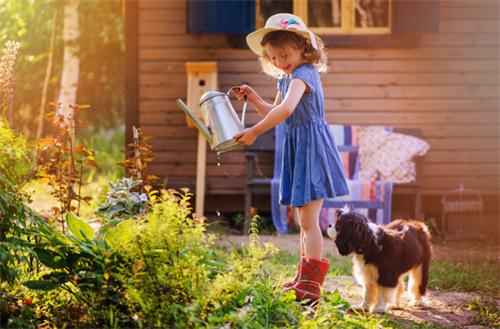
In the concrete jungle of the city, creating a “child-friendly garden” for kids not only allows them to touch soil and observe plants, but also nurtures a love for nature and a spirit of exploration.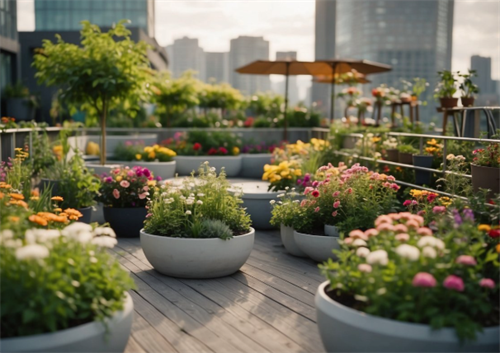
Rooftop Garden Construction Guide: Structural Safety and Plant Selection
In concrete-dominated cities, rooftop gardens have become vital spaces for connecting with nature and improving living environments.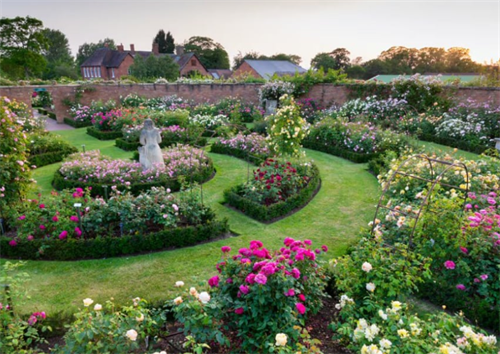
Color Matching Techniques: Enhancing Garden Aesthetics Through Plant Colors
The colors of plants serve as the “palette” of garden aesthetics. Different hues of flowers, foliage, and fruits can impart entirely different moods—fresh and elegant, vibrant and lively, or calm and serene.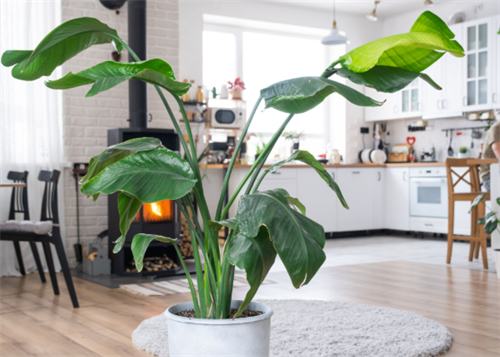
Indoor Care for Tropical Plants: Monstera, Bird of Paradise, and Fiddle-Leaf Fig
Monstera, Bird of Paradise, and Fiddle-Leaf Fig are popular indoor plants thanks to their striking foliage and tropical charm.