Child-Friendly Garden: Helping Children Fall in Love with Nature
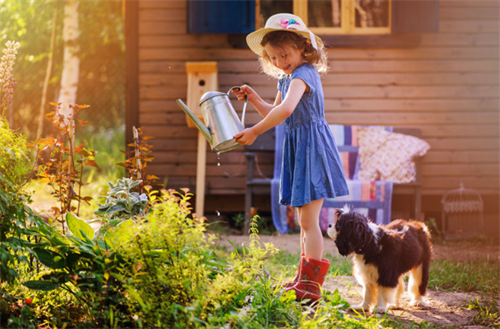
In the concrete jungle of the city, creating a “child-friendly garden” for kids not only allows them to touch soil and observe plants, but also nurtures a love for nature and a spirit of exploration. Such a garden doesn’t require a large area—by balancing safety, fun, and interactivity, it can become a child’s “natural playground,” where they learn through play and grow through discovery.
I. Safety First: Building a Garden “Safety Net”
a. Material selection
Use soft ground coverings such as lawn grass, rubber mats, or wood chips (at least 5 cm thick) instead of concrete. Choose rounded wooden or plastic materials for trellises and fences to avoid sharp edges. For containers, use lightweight plastic pots (to prevent tipping and injury), keeping the height below 50 cm so children can easily reach them.
b. Plant selection
Absolutely avoid toxic or thorny plants such as oleander, cacti, or dieffenbachia. Recommended safe options include sunflowers (thorn-free and easy to grow), strawberries (edible), petunias (brightly colored), and mint (refreshing scent)—all safe and engaging for children.
c. Facility protection
If there is a small pond, cover it with a safety net or enclose it with a fence (at least 80 cm high). Designate a separate tools area and store child-specific gardening tools (plastic, rounded design). Avoid sharp adult tools.
II. Fun Design: Turning the Garden into a “Playground”
a. Visual appeal: Creating a colorful space
Color coordination: Plant vibrant flowers such as red petunias, yellow sunflowers, and purple lavender to form a “rainbow flower border.” Use colorful plastic pots, or let children paint their own pots to enhance engagement.
Creative shapes: Trim hedges into animal forms (like spherical holly or rabbit-shaped boxwood), or arrange pebbles on the ground into fun patterns (stars, animals) to spark imagination.
b. Interactive features: Adding play elements
Mini sandbox: Set up a 1–2 m² sandbox in a garden corner with small shovels and buckets, allowing children to play while observing mint or oxalis growing nearby.
Climbing area: Build a low wooden climbing frame (no higher than 1.2 m), entwined with morning glories or pea vines so kids can climb while watching the vines grow.
Insect hotel: Use bamboo tubes, pinecones, and bark to build an “insect hotel,” hang it on a tree, and let children observe bees, ladybugs, and other insects to learn about ecosystems.
III. Interactive Planting: Letting Children Become “Little Gardeners”
a. Choose “easy success” crops
Pick plants with short growth cycles and simple care so children can quickly see results:
Fast-germinating: Sunflowers (sprout in 3–5 days), mung beans (2–3 days), perfect for observing seed germination.
Edible: Strawberries (easy fruiting in pots, harvestable directly), cherry tomatoes (abundant fruits, colorful), radishes (ready in ~30 days, fun for kids to pull up).
b. Parent-child planting steps
Sowing: Let children bury seeds in the soil (1–2 cm deep), water with a small spray bottle, and record changes daily (drawing a “growth diary”).
Care: Assign tasks—children water daily with a child-sized spray bottle and check for pests, while parents assist with fertilizing (e.g., diluted rice water).
Harvesting: Pick strawberries and tomatoes together, letting children taste the fruits of their labor. If growing sunflowers, collect seeds after harvest for replanting or crafts.
IV. Eco Education: Learning Nature Through Gardening
Observation journals: Provide a “nature notebook” where children can draw insects (like butterflies and ants) and plant changes (flowering, leaf fall). Parents can explain simple concepts, such as how butterflies pollinate or how plants absorb water.
Composting: Create a “compost corner” in the garden where fruit peels and vegetable scraps are buried, letting children watch them decompose into fertilizer and understand “recycling.”
Seasonal activities: Sow seeds in spring, observe insects in summer, collect leaves for specimens in autumn, and care for cold-resistant plants (like kale) in winter, helping children experience seasonal changes.
A child-friendly garden is more than just a patch of greenery—it’s a “second classroom” where children connect with nature, learn, and grow. Here, they can feel the warmth of soil, witness flowers blooming, and taste the sweetness of fresh harvests. These close encounters with nature will become cherished childhood memories and plant the seeds of a lifelong love for the natural world.
RELATED GUIDES
Rooftop Garden Construction Guide: Structural Safety and Plant Selection
In concrete-dominated cities, rooftop gardens have become vital spaces for connecting with nature and improving living environments.
Potted Vegetable Growing Guide: Easy Tomatoes, Peppers, and Lettuce
Creating a small “mini garden” on your balcony or windowsill by growing tomatoes, peppers, and lettuce not only provides fresh ingredients but also brings the joy of gardening.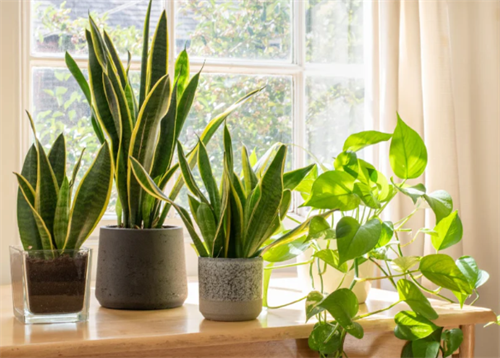
Top 10 Air-Purifying Plants: Improve Indoor Air Quality
Indoor air pollution is often overlooked, and houseplants serve as natural “air purifiers.”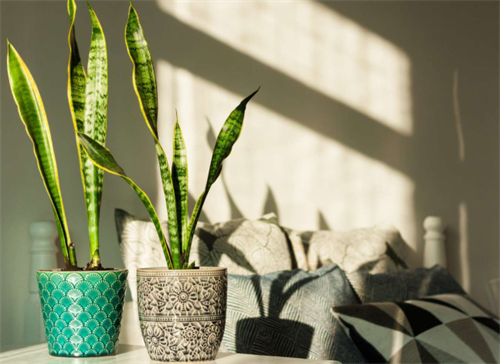
Indoor Plant Selection and Care: Low-Maintenance Varieties for the Home
In today’s fast-paced lifestyle, many people long to bring vitality into their homes with indoor greenery but worry about not having the time to care for it.