Rooftop Garden Construction Guide: Structural Safety and Plant Selection
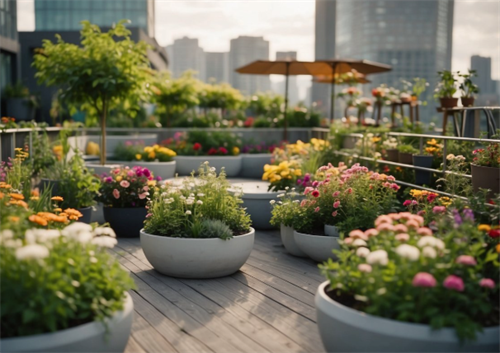
In concrete-dominated cities, rooftop gardens have become vital spaces for connecting with nature and improving living environments. However, building a rooftop garden involves much more than simply placing greenery; it requires balancing structural safety with plant suitability to create an attractive and durable sky oasis. The following guide explores two core aspects—structural safety and plant selection—offering detailed advice for successful rooftop garden construction.
I. Structural Safety: The “Lifeline” of a Rooftop Garden
Structural safety is the foremost prerequisite for rooftop garden construction, directly impacting both the building’s integrity and user safety. Key considerations include load-bearing capacity, waterproofing, and drainage.
1. Accurate Calculation of Load-Bearing Capacity
Load capacity is the baseline for rooftop gardens. It is important to engage a professional agency to evaluate the roof’s structural capacity.Generally, the roof should support a live load of at least 200 kg per square meter before a garden can be established. For features such as rockeries or pools, concentrated loads must be calculated separately. Lightweight materials should be prioritized—for instance, lightweight planting soil (density below 1.2 g/cm³) and plastic planters. Refrain from using heavy materials like bricks or thick concrete, and ensure that weighty items are spread out evenly to avoid creating concentrated stress points.
2. Proper Waterproofing and Seepage Prevention
Water leakage is a common hazard in rooftop gardens, making waterproofing a critical step. The original waterproofing layer should be upgraded using root-resistant materials such as SBS-modified bitumen membranes or PVC waterproof sheets. These should cover the entire roof surface, including vulnerable areas like corners and pipe joints, with overlaps of at least 10 cm. After installation, a 24-hour water retention test must be conducted to confirm no leakage before adding the drainage and filter layers. This creates a three-tier protection system: waterproofing, drainage, and filtration.
3. Designing an Efficient Drainage System
Poor drainage can cause waterlogging, increasing structural load and damaging the waterproof layer. The drainage design should incorporate both surface and subsurface systems.Surface drainage is achieved by designing a 2–3% slope to guide rainwater toward outlets. Subsurface drainage involves placing a 10 cm (minimum) layer of materials such as ceramsite or gravel beneath the soil, with permeable pipes embedded to channel excess water into roof drains. This ensures that no standing water remains more than 12 hours after rainfall.
II. Plant Selection: “Smart Choices” for Rooftop Conditions
Rooftops are exposed to strong winds, intense sunlight, temperature fluctuations, and shallow soil layers. Plant choices should follow the principles of drought tolerance, wind resistance, shallow roots, and low height, while balancing aesthetics with practicality.
1. Prioritizing Drought- and Wind-Resistant Plants
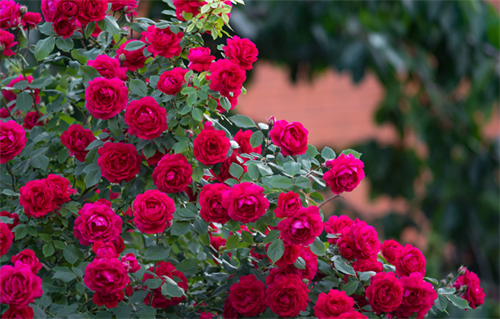
Because of the intense sunlight and quick moisture loss, drought-resistant plants are the most suitable choice.For shrubs, roses, crape myrtles, and hibiscus are recommended, as they withstand drought while offering long blooming seasons and ornamental value. For herbaceous plants, sedum species (such as stonecrop and creeping sedum), coreopsis, and iris are excellent choices, given their shallow roots, low water needs, and adaptability. Tall trees should be avoided due to wind risks; if trees are included, choose dwarf species under 2 meters (e.g., dwarf pomegranate, flowering quince) and plant them in deep containers for stability.
2. Complementing with Functional Groundcovers
Groundcover plants help protect exposed soil, reduce water evaporation, and provide insulation. Suitable choices include low-growing grasses such as zoysia tenuifolia and Manila grass, as well as climbing plants like ivy and star jasmine.These plants grow quickly, are easy to maintain, and form dense coverage that enhances aesthetics, lowers rooftop temperatures, and improves living conditions.
3. Ensuring Seasonal Interest and Diversity
To keep the rooftop garden attractive year-round, incorporate plants that bloom in different seasons. For spring, consider cherry blossoms or peach blossoms; for summer, lotuses or water lilies (requiring small ponds); for autumn, chrysanthemums or osmanthus; and for winter, ornamental kale or holly. Combining trees, shrubs, herbs, and climbers creates multi-layered landscapes, adding ecological value and visual richness.
Conclusion
Building a rooftop garden requires the integration of structural safety and ecological planting. Only with thorough structural planning and scientifically informed plant selection can a rooftop truly become a “green paradise” in the city, offering harmony between nature and urban living.
RELATED GUIDES
Rooftop Garden Construction Guide: Structural Safety and Plant Selection
In concrete-dominated cities, rooftop gardens have become vital spaces for connecting with nature and improving living environments.
Garden Path Design Inspiration: Choosing Stone, Wood, and Gravel
Garden paths act as the “lifelines” linking key features and as a “language” expressing the garden’s personality.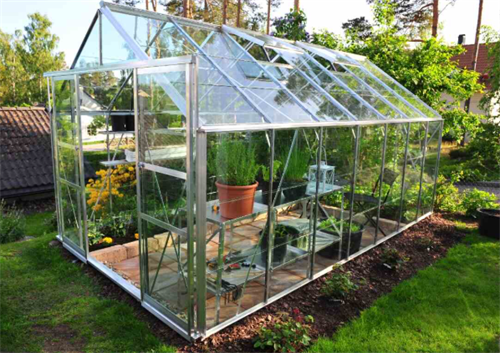
Mini Greenhouse Building Guide: Extend Your Growing Season
For gardening enthusiasts, seasonal changes often mean interruptions in planting—seedlings risk being damaged by late spring frosts, while autumn frosts can cut the growing season short.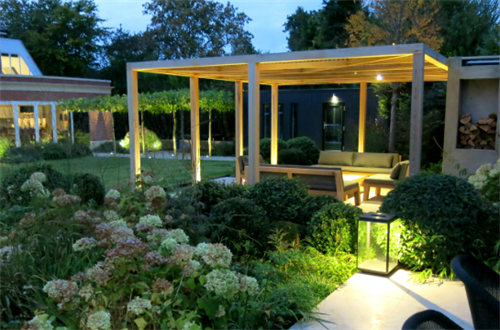
Garden Zoning Techniques: Planning Leisure Areas, Planting Zones, and Pathways
Regardless of a garden’s size, thoughtful zoning is key to maximizing space efficiency and enhancing the overall experience.