Indoor Care for Tropical Plants: Monstera, Bird of Paradise, and Fiddle-Leaf Fig
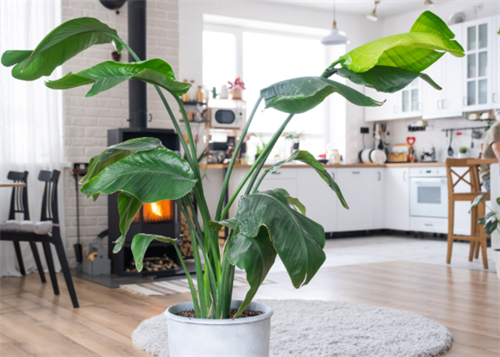
Monstera, Bird of Paradise, and Fiddle-Leaf Fig are popular indoor plants thanks to their striking foliage and tropical charm. Originating from tropical regions, these plants require careful attention to indoor conditions to thrive, maintaining lush growth and adding vibrant greenery to your home.
1. Light Management: Mimicking Gentle Tropical Sunlight
While all three plants enjoy light, their intensity requirements differ, and both direct harsh sunlight and insufficient light should be avoided. Monstera tolerates lower light levels and grows well in bright, indirect light, such as near north-facing windows. Prolonged exposure to strong sunlight can cause leaf scorch. Bird of Paradise requires ample light to flower, ideally receiving 4–6 hours of gentle sunlight daily, and can be placed on an east-facing balcony or near a south-facing window. In summer, use sheer curtains to block harsh midday sun to prevent leaf burn. Fiddle-Leaf Fig thrives in bright, indirect light, ideally positioned 1–2 meters from a south-facing window; insufficient light can lead to thin, drooping leaves.
Rotate pots regularly to ensure all sides receive even light, preventing uneven growth and maintaining an attractive plant shape.
2. Water and Fertilizer: Meeting Tropical Needs
Tropical plants have specific water and nutrient requirements that vary with season and growth stage. Monstera prefers consistently moist soil during its active growth in spring and summer, watering 1–2 times per week; reduce watering in winter to once every 2–3 weeks to avoid root rot. Bird of Paradise needs thorough watering whenever the soil surface dries, with slightly increased frequency before flowering to keep the soil moist; reduce watering in winter, keeping the soil on the drier side. Fiddle-Leaf Fig is sensitive to both drought and overwatering; follow a “water when dry” approach—once per week in spring and summer, and once every 10–15 days in fall and winter. Avoid splashing water onto the leaves to prevent rot.
Fertilize lightly and frequently: Monstera and Fiddle-Leaf Fig benefit from a diluted balanced NPK fertilizer once a month during their growth period (April–September). Bird of Paradise requires additional phosphorus and potassium fertilizer (e.g., potassium dihydrogen phosphate solution) every two weeks in spring and autumn to promote flower bud formation, stopping fertilization after flowering. All three plants should not be fertilized in winter during semi-dormancy to prevent root damage.
3. Temperature and Humidity: Creating a Suitable Environment
Temperature and humidity are critical for tropical plant health. Monstera and Fiddle-Leaf Fig grow best at 18–28°C, with winter temperatures kept above 10°C; prolonged exposure below 5°C can cause leaf freeze damage and wilting. Bird of Paradise tolerates slightly cooler conditions, ideally 15–25°C, and can endure short periods at 5°C, but extended temperatures below 10°C will inhibit growth and require relocation indoors.
Humidity is particularly important. These plants thrive in high-humidity environments; in dry indoor air (e.g., during winter heating or summer air conditioning), increase humidity by misting leaves and surrounding air 1–2 times daily, placing a water-filled tray near the pot, or using a humidifier to maintain 60–70% humidity. Large leaves of Monstera and Fiddle-Leaf Fig can be periodically wiped with a damp cloth to clean and boost local humidity while promoting photosynthesis.
4. Common Problems: Timely Solutions
Yellowing or drooping leaves often occur and require specific interventions. Spotted Monstera leaves usually indicate overwatering or poor ventilation; reduce watering and improve airflow. Yellowing Bird of Paradise leaves may result from insufficient light or improper watering; adjust light exposure or watering practices. Drooping Fiddle-Leaf Fig leaves are often caused by drought or low humidity; water promptly and increase humidity.
Regularly prune aging or yellow leaves to maintain a tidy plant and reduce disease and pest risks. If pests such as aphids or spider mites appear, spray leaves with diluted soapy water or use a specialized insecticide for control.
RELATED GUIDES
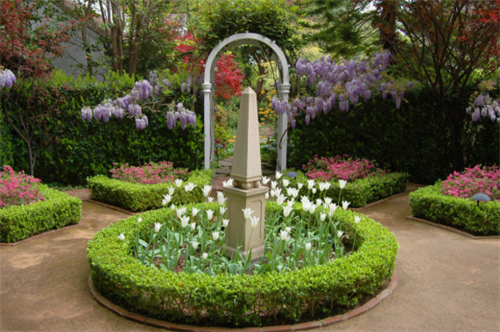
Garden Focal Point Design: Sculptures, Flower Beds, and Decorative Elements
In garden design, focal elements are like the soul of the space—they instantly capture the eye, guide the visitor’s path, and transform an ordinary green corner into a layered setting with a sense of story.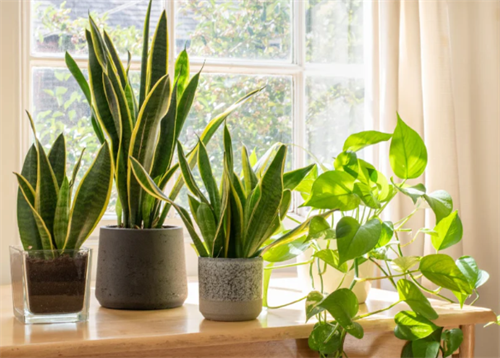
Top 10 Air-Purifying Plants: Improve Indoor Air Quality
Indoor air pollution is often overlooked, and houseplants serve as natural “air purifiers.”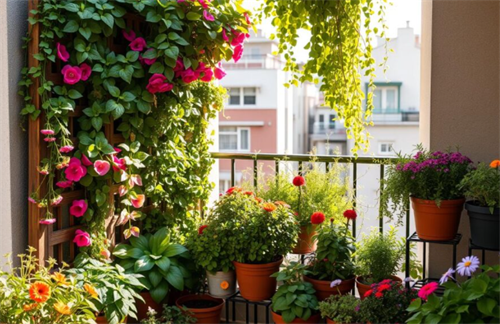
Balcony Garden Design: Big Harvest from a Small Space
In the concrete jungle of modern cities, the balcony serves as the only window connecting home life with nature.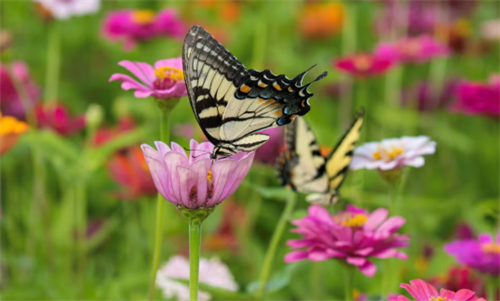
Wildflower Garden: Plant Choices to Attract Bees and Butterflies
A wildflower garden is not a “neglected” space; rather, it mimics natural ecosystems by planting species that are friendly to pollinators like bees and butterflies, creating a green area that combines ecological value with natural beauty.