Color Matching Techniques: Enhancing Garden Aesthetics Through Plant Colors
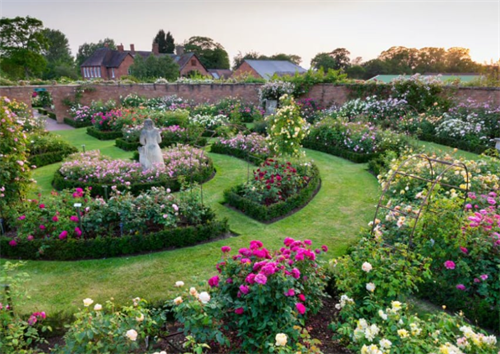
The colors of plants serve as the “palette” of garden aesthetics. Different hues of flowers, foliage, and fruits can impart entirely different moods—fresh and elegant, vibrant and lively, or calm and serene. By mastering plant color-matching techniques, you don’t need complex landscape redesigns; with thoughtful plant combinations, you can greatly enhance both the depth and artistry of a garden, transforming it into an outdoor space that instantly captivates.
1. Monochromatic Pairing: Creating Unity with a Pure Palette
Monochromatic planting is the simplest yet most striking technique. By concentrating on a single color, you create a pure, harmonious visual effect that works well in smaller beds or focal areas, reinforcing the garden’s stylistic mood.
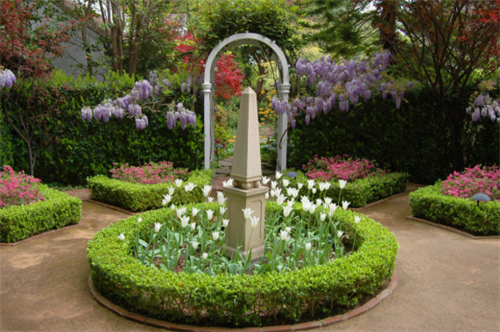
White plants naturally carry a “purifying” quality, making them perfect for fresh, romantic, or Zen-like settings. In a Japanese garden, for example, white gaura, white irises, and moss dotted with tiny white blossoms combined with light gray gravel can highlight tranquility and simplicity. In an English garden, white climbing roses draping over a wooden arch alongside white hydrangeas create a romantic scene as petals drift in the breeze. To avoid monotony, vary textures—pair the delicate petals of white flax with the broad leaves of white hostas to add dimension.
Purple tones, on the other hand, convey elegance and mystery, ideal for dreamy garden borders. Layer pale lavender, mid-toned salvia, and deep purple dahlias from front to back to form a gradient of purple hues. Use green rosemary foliage as a transition, maintaining unity while enriching depth. This scheme works beautifully near a lounge area, where the purple bloomscape encourages relaxation.
2. Complementary Pairing: Using Bold Contrasts to Energize a Space
Complementary colors—opposites on the color wheel like red and green, yellow and purple, or orange and blue—create strong visual impact, instantly drawing attention. This approach is ideal for entryways, central beds, or other focal points.
Red and green is a timeless pairing, but balance is key to prevent visual clutter. A cluster of red roses against a green lawn makes the flowers strikingly vivid, while red ranunculus planted before a dark green holly hedge creates a clear “green wall, red bloom” contrast—expressive without being overwhelming.
Yellow and purple offer a lively, modern vibe. Interplant yellow sunflowers with purple lavender for a dynamic clash of brightness and elegance, softened by silver-leafed salvia as a mediator. For compact spaces, plant yellow petunias and purple pansies together in white pots to create a charming mini contrast display.
3. Analogous Pairing: Soft Transitions for a Harmonious Mood
Analogous colors—neighbors on the color wheel like blue and purple, red and orange, or yellow and green—blend naturally, creating a soothing, cohesive effect. This approach suits larger gardens or areas meant for relaxation, such as patios or walkways.
Blue and purple combinations exude a “cooling” feel, perfect for summer. Plant pale blue hydrangeas, bluish irises, and purple lavender against a backdrop of lush ferns. The gradient from soft blue to deep violet, with green as the grounding tone, brings to mind both sky and starlight, refreshing the senses.
Yellow and green highlight vitality, especially fitting for spring gardens or children’s play areas. Combine pale yellow forsythia, yellow-green ligustrum, and the deep green of pines. Yellow blossoms scattered among green foliage echo the season’s rebirth while remaining gentle. Add wooden swings or colorful toys nearby for a lively, welcoming scene.
4. Seasonal Transitions: Ensuring Color Year-Round
A truly well-designed garden balances color across all four seasons, ensuring there’s always something to enjoy rather than “one season of splendor, three seasons of dullness.”
In spring, focus on “fresh, light tones”: pink cherry blossoms, white crabapples, and yellow tulips paired with tender green lawns and budding willows reflect renewal.
Summer shifts to “bold, vibrant hues”: red roses, purple crape myrtles, and blue water lilies framed by deep green shrubs build a lush, festive mood.
Autumn turns “warm and grounded”: orange chrysanthemums, golden ginkgo, and red maples enrich the garden with seasonal depth.
Winter relies on “evergreen and accents”: deep green pines, red holly berries, and yellow wintersweet set against snowy white create a tranquil yet lively winter charm.
Plant color matching need not follow rigid rules. The key lies in blending overall garden style with personal taste. By combining the purity of monochromes, the energy of contrasts, the harmony of analogs, and the continuity of seasonal shifts, you can fill every corner of your garden with delightful surprises of color, shaping it into an aesthetic sanctuary that uplifts both body and spirit.
RELATED GUIDES
Shade-Tolerant Plant Selection: Ideal Species for Low-Light Areas
Indoor north-facing rooms, corridor corners, or outdoor shaded spots behind trees or buildings often lack sufficient light, making plant growth challenging.
Mini Greenhouse Building Guide: Extend Your Growing Season
For gardening enthusiasts, seasonal changes often mean interruptions in planting—seedlings risk being damaged by late spring frosts, while autumn frosts can cut the growing season short.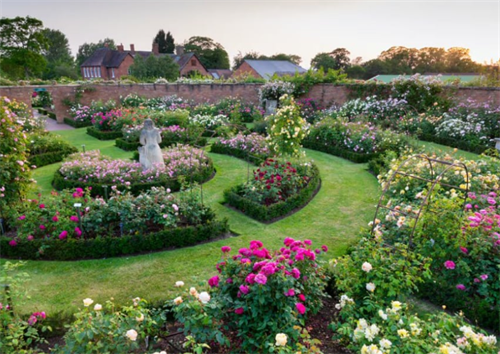
Color Matching Techniques: Enhancing Garden Aesthetics Through Plant Colors
The colors of plants serve as the “palette” of garden aesthetics. Different hues of flowers, foliage, and fruits can impart entirely different moods—fresh and elegant, vibrant and lively, or calm and serene.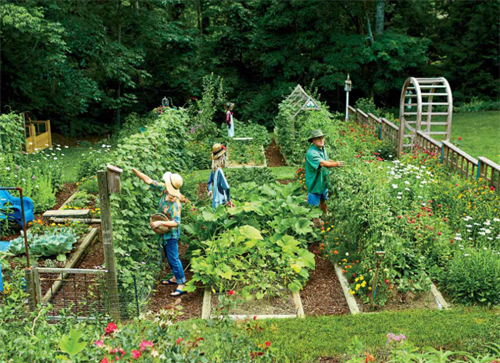
Home Vegetable Garden Planning: Fresh Vegetables All Year Round
With growing concerns over food safety, having a home vegetable garden and planting fresh produce by hand has become a lifestyle pursuit for many.