Herbal Garden at Home: Cultivating and Using Mint, Aloe Vera, and Echinacea
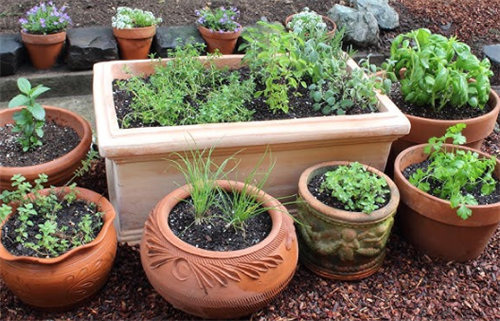
Creating a small herbal garden at home allows you to enjoy the vitality of green plants while harvesting natural “medicinal ingredients.” Mint, aloe vera, and echinacea are cost-effective choices. They are easy to grow, highly adaptable, and have clear medicinal properties, making them ideal for relieving common ailments in daily life.
1. Growing Conditions: Matching Plant Needs
Mint: Prefers warm, humid environments with plenty of sunlight. Best grown in sunny garden spots or south-facing balcony pots, receiving 4–6 hours of light daily. Soil requirements are minimal—garden soil mixed with a small amount of leaf mold is sufficient. Avoid compacted soil, and add a little river sand to improve drainage before planting. Mint grows rapidly, so choose pots at least 25 cm in diameter to prevent crowding.
Aloe Vera: Drought-tolerant and sun-loving, suitable for sunny windowsills or terraces, with 5–6 hours of direct sunlight daily. Provide partial shade during hot summer periods. Soil should be loose and well-draining, such as a mix of garden soil, river sand, and leaf mold in a 3:3:2 ratio, with 5 cm of clay pebbles at the bottom to prevent waterlogging. Aloe vera is sensitive to cold; move indoors in winter and maintain temperatures above 5°C.
Echinacea: Prefers full sun and good ventilation, suitable for open garden areas or large pots. Needs 6–8 hours of sunlight daily. Soil should be fertile, well-drained, and slightly alkaline; adding organic compost and a small amount of wood ash enhances fertility and alkalinity. Echinacea is drought- and nutrient-tolerant, adaptable to a wide range of environments, and can be grown across northern and southern regions.
2. Daily Care: Simple Maintenance for Healthy Growth
Watering: Mint prefers moist soil; during the growing season (April–September), keep soil slightly damp and water 1–2 times per week. In winter, reduce watering and keep soil slightly dry. Aloe vera requires “water when dry”; water only when the soil is completely dry—every 10–15 days in summer, 20–30 days in winter—to avoid root rot. Echinacea is drought-tolerant; outdoor plants need little water, while potted plants require watering every 10 days during the growing season, slightly increasing frequency before flowering to keep soil moist.
Fertilizing: Apply a diluted NPK fertilizer to mint monthly during the growing season to encourage lush growth. Aloe vera requires diluted succulent fertilizer every 2–3 weeks from May to August, avoiding strong fertilizers. Echinacea should receive monthly compost tea after planting; before flowering, apply phosphorus-potassium fertilizer (e.g., potassium dihydrogen phosphate solution) to strengthen flower stems and enhance color.
Pruning: Regularly harvest mint shoots and leaves to promote branching and provide edible leaves. Aloe vera requires minimal pruning—remove only dead lower leaves. After echinacea flowers, cut the flower stems; retain some for seed collection if desired. Removing spent flower stems encourages new shoots.
3. Medicinal Value and Uses: Natural Remedies for Everyday Ailments
Mint: The young stems and leaves are used medicinally to cool the body and relieve sore throats. Fresh leaves can be washed and steeped in water to ease summer heat and dryness. Chopped leaves can be mixed with honey to make a mint paste and applied to the temples to relieve mild headaches. Note: Mint is cooling; individuals with a weak or cold digestive system should avoid excessive consumption.
Aloe Vera: The gel inside the leaves has soothing, anti-inflammatory, and anti-itch properties. Mature leaves (over 1 year old) can be cut from the base, peeled, and the transparent gel applied directly to minor sunburns or insect bites to reduce redness and itching. Gel can also be mixed with honey to make a moisturizing face mask. Note: Only edible varieties like Aloe vera ‘Barbadensis’ are safe; avoid toxic species.
Echinacea: Flowers, leaves, and roots are used medicinally to boost immunity and alleviate cold symptoms. Harvest flowers during bloom, dry them, and steep in water; drinking at the onset of a cold can relieve sore throat and nasal congestion. Dried flowers, leaves, and roots can be ground into powder, mixed with warm water, or made into a paste for minor wounds to promote healing. Note: Echinacea should not be used continuously for long periods; individuals with allergies should start with small amounts to avoid rashes or other reactions.
RELATED GUIDES
Indoor Care for Tropical Plants: Monstera, Bird of Paradise, and Fiddle-Leaf Fig
Monstera, Bird of Paradise, and Fiddle-Leaf Fig are popular indoor plants thanks to their striking foliage and tropical charm.
Low-Maintenance Garden Design: Solutions for Busy Professionals
For busy office workers, the desire to enjoy a lush, green garden often collides with the lack of time for upkeep.
Shade-Tolerant Plant Selection: Ideal Species for Low-Light Areas
Indoor north-facing rooms, corridor corners, or outdoor shaded spots behind trees or buildings often lack sufficient light, making plant growth challenging.
Themed Garden Design: A Comparison of English, Japanese, and Mediterranean Styles
A themed garden is an extension of its owner’s aesthetics and lifestyle, with each style carrying a unique ambiance.