Shade-Tolerant Plant Selection: Ideal Species for Low-Light Areas
Indoor north-facing rooms, corridor corners, or outdoor shaded spots behind trees or buildings often lack sufficient light, making plant growth challenging. Shade-tolerant plants adapt well to low-light environments, filling these “green voids” while purifying air and enhancing aesthetics. The following recommendations are categorized as “indoor decorative,” “outdoor ground-planted,” and “desktop mini” varieties suitable for low-light areas.
1. Indoor Decorative: Brighten Dim Home Spaces
These shade-tolerant plants have attractive forms and are ideal for indoor spots with limited light, such as living room corners, bedrooms, or bathrooms, combining visual appeal with practicality.
Golden Pothos: Extremely shade-tolerant, it maintains vibrant green leaves even in corridors or bathrooms with only diffused light. Can be grown in water or soil, with vines naturally trailing to decorate walls or tabletops. Keep soil slightly moist, maintain winter temperatures above 5°C, and fertilize monthly with a diluted liquid fertilizer.
Monstera: Featuring large, exotic leaves, it suits north-facing living rooms or studies. Can grow with just 2–3 hours of diffused light daily and helps regulate indoor humidity. Water when the soil dries out, avoid waterlogging, maintain winter temperatures above 10°C, and wipe leaves regularly to keep them clean.
Peace Lily: Also called “Sailplant,” with upright flower stems and glossy green leaves, suitable for bedrooms or offices in shaded areas. Tolerates low light, absorbs indoor pollutants, and prefers moist soil. Mist leaves regularly, and avoid direct sunlight to prevent leaf burn.
2. Outdoor Ground-Planted: Fill Shaded Garden Corners
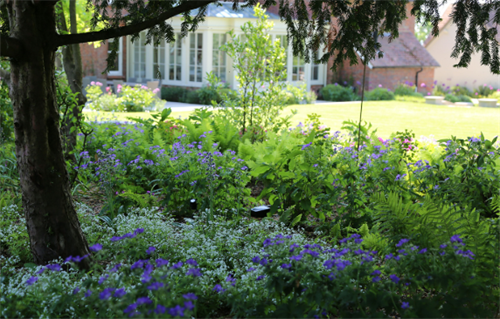
In low-light outdoor areas such as under trees, behind walls, or on the north side of buildings, shade-tolerant ground plants create layered, visually rich landscapes.
Hosta: A classic shade-loving flowering plant, ideal under tree canopies or in corner shade. Blooms white or pale purple flowers in summer with a subtle fragrance. Prefers moist, fertile soil and is cold-hardy. Water only when soil dries, avoiding water accumulation.
Ophiopogon (Mondo Grass): A perennial evergreen herb, perfect as a groundcover in shaded garden areas or along flower bed edges. Tolerates shade and drought, grows densely even in low-light corners, and requires minimal care—just trim dead leaves regularly.
Heuchera: Known as the “God’s spilled paint palette” for its colorful foliage (red, purple, green, yellow), suitable for semi-shaded outdoor areas like under trees or north-facing balconies. Shade- and frost-tolerant (survives down to –15°C), prefers loose soil, avoid waterlogging, and provide partial shade in summer.
3. Desktop Mini: Liven Small Low-Light Spaces
Small areas like office desks or window corners benefit from compact, shade-tolerant plants, adding life and greenery.
Parlor Palm (Miniature): Only 30–50 cm tall, with small, glossy leaves, perfect for desks or window corners. Grows with 1–2 hours of diffused light daily, prefers warmth and humidity, requires regular leaf misting, slightly moist soil, and winter temperatures above 10°C.
Fittonia (Nerve Plant): Leaves with striking colored veins (red, white, etc.), compact growth habit, ideal for desktop pots. Tolerates shade well, maintains leaf luster in dim office corners, prefers humidity, requires frequent misting, avoid waterlogged soil, and needs summer shading to prevent leaf drying.
Mini Snake Plant: About 20–30 cm tall, upright patterned leaves, suitable for desktops or window sills. Shade- and drought-tolerant, grows well with minimal light, absorbs CO₂ at night, making it suitable for bedrooms. Water only when soil is completely dry; tolerates winter lows of 5°C and requires very low maintenance.
When choosing shade-tolerant plants, match species to the light duration (e.g., “1–3 hours of diffused light daily” or “barely any light”) and humidity conditions (e.g., dry air-conditioned rooms or humid bathrooms). Avoid overwatering and excessive fertilization to ensure these plants thrive in low-light areas.
RELATED GUIDES
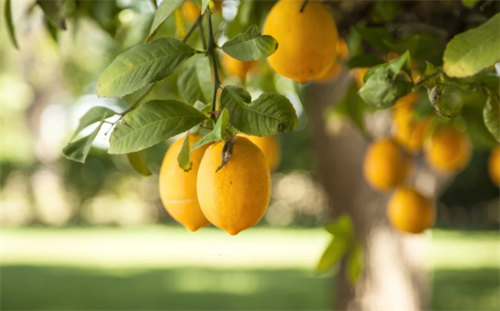
Container Fruit Tree Tips: Growing Lemons, Blueberries, and Figs at Home
Having a fruit-bearing potted tree at home not only brightens up your space but also provides fresh produce.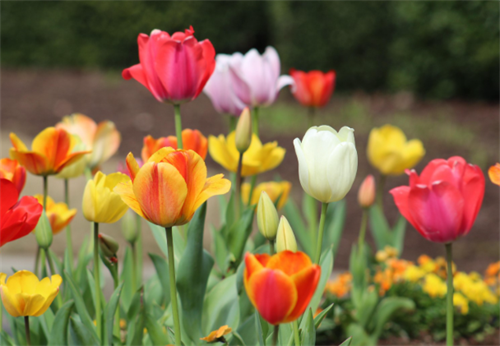
Bulb Plant Cultivation: Seasonal Care for Tulips, Daffodils, and Lilies
Bulb plants, prized for their plump bulbs and vibrant flowers, are favorites in horticulture, with tulips, daffodils, and lilies being especially popular.
Orchid Care Guide: Key Points on Humidity, Light, and Watering
Orchids, cherished for their elegant blooms and delicate fragrance, are highly prized by gardening enthusiasts.
Rooftop Garden Construction Guide: Structural Safety and Plant Selection
In concrete-dominated cities, rooftop gardens have become vital spaces for connecting with nature and improving living environments.