Container Fruit Tree Tips: Growing Lemons, Blueberries, and Figs at Home
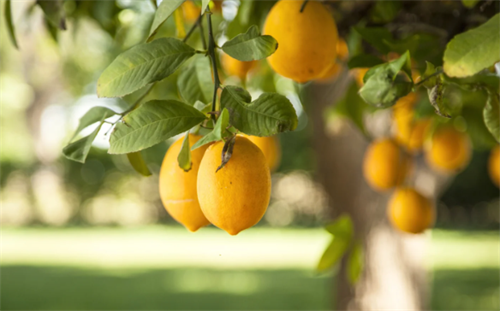
Having a fruit-bearing potted tree at home not only brightens up your space but also provides fresh produce. Lemons, blueberries, and figs are popular choices for home cultivation due to their adaptability and ornamental appeal. Each of these fruit trees has unique growth habits, so mastering specific planting techniques is essential to achieve lush foliage and abundant fruit.
1. Choosing Pots and Soil: Laying the Foundation
Selecting the right pot and soil is crucial for container fruit tree success. Lemons have extensive root systems and require a breathable terracotta or Yixing clay pot with a diameter of 30–40 cm and a depth of at least 40 cm, with 5 cm of clay pebbles at the bottom for drainage. Blueberries have shallow roots and are best grown in 25–30 cm breathable pots to avoid root suffocation. Figs grow vigorously and need a large pot 35–45 cm in diameter to allow ample root space.
Soil mixes should match the tree’s requirements: Lemons prefer slightly acidic soil, using a mix of leaf mold, garden soil, river sand, and well-rotted sheep manure in a 4:3:2:1 ratio. Blueberries grow best in highly acidic soil, composed of peat, leaf mold, and perlite in a 5:3:2 ratio, with a touch of sulfur to bring the pH to 4.0–5.5. Figs are less particular, thriving in a mix of leaf mold, garden soil, and well-rotted organic fertilizer in a 5:3:2 ratio for a loose, fertile substrate.
2. Daily Care: Managing Light, Water, Fertilizer, and Temperature
Daily care must be tailored to each tree’s characteristics. In terms of light, lemons and figs need 6–8 hours of direct sunlight daily, making a south-facing balcony or windowsill ideal. Blueberries also enjoy sunlight but require partial shade in summer to prevent leaf burn, so an east-facing balcony receiving morning sun works best.
Watering and fertilization differ among species: Lemons require watering on a “dry-to-moist” schedule and a light NPK fertilizer every 10 days during the growing season (March–September), with additional phosphorus-potassium during flowering. Blueberries prefer consistently moist soil, watered weekly with acidic water (such as diluted rice water), and fertilized biweekly with blueberry-specific fertilizer, avoiding urea or high-nitrogen feeds. Figs are drought-tolerant; water only when the soil dries out, apply well-rotted organic fertilizer monthly during growth, and supplement phosphorus-potassium fertilizer during fruit enlargement to support development.
Temperature control is also crucial: Lemons need to stay above 5°C in winter to avoid frost damage. Blueberries are cold-tolerant, surviving temperatures as low as –10°C, but need good summer airflow to avoid heat stress when temperatures exceed 30°C. Figs can withstand –5°C in dormancy, though in northern regions they should be moved indoors to maintain 0–5°C.
3. Flower and Fruit Management: Enhancing Yield and Shape
Proper flower and fruit management improves yield and maintains the tree’s appearance. Lemons bloom in April–May and benefit from hand pollination using a cotton swab. Thin excess fruit after setting, keeping 2–3 healthy fruits per branch. Blueberries flower in March–April; in poorly ventilated indoor settings, hand pollination may be needed. Remove misshapen fruit to ensure even growth. Figs set fruit without pollination; pinch new shoots once they reach 20 cm to encourage branching and increase fruiting branches. Avoid moving the pot frequently before fruit ripens (July–October) to prevent fruit drop.
Pruning is essential for shape control: For lemons, remove diseased, pest-infested, or crossing branches before spring bud break to improve airflow. Blueberries should be pruned during winter dormancy, removing weak or overcrowded branches to maintain a compact form. Figs are mainly pruned in winter, cutting overly long or diseased branches while retaining 3–5 main branches and keeping the plant under 1.5 m for easier indoor management.
By mastering these techniques for lemons, blueberries, and figs, you can enjoy the full cycle of growth, flowering, and fruiting right on your balcony, harvesting fresh fruit and the satisfaction of home cultivation year-round.
RELATED GUIDES
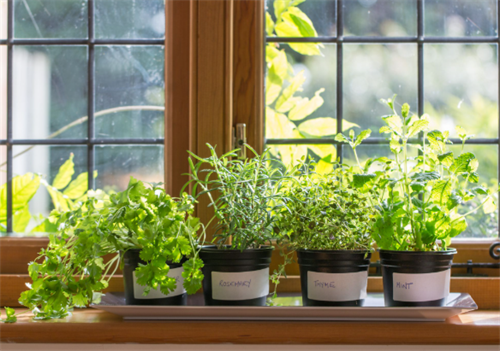
Herb Garden Design: A Home Growing Guide for Culinary Herbs
Creating a herb garden on the kitchen windowsill, balcony, or in a corner of the yard not only adds refreshing greenery but also provides fresh herbs to enhance everyday dishes.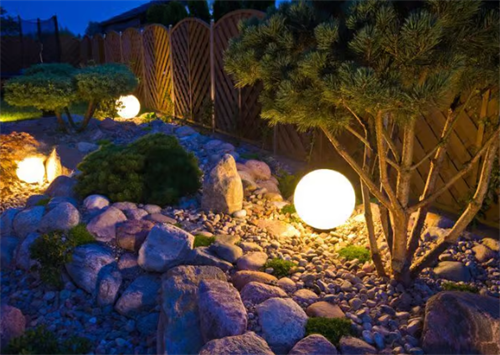
Small Garden Lighting Design: Creating Nighttime Atmosphere
A small garden during the day is a natural space where plants stretch and flowers bloom, but its nighttime charm often relies on carefully designed lighting to awaken it.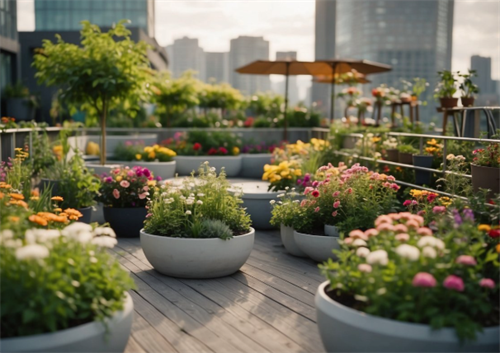
Rooftop Garden Construction Guide: Structural Safety and Plant Selection
In concrete-dominated cities, rooftop gardens have become vital spaces for connecting with nature and improving living environments.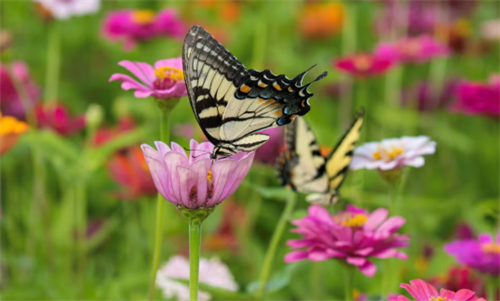
Wildflower Garden: Plant Choices to Attract Bees and Butterflies
A wildflower garden is not a “neglected” space; rather, it mimics natural ecosystems by planting species that are friendly to pollinators like bees and butterflies, creating a green area that combines ecological value with natural beauty.