Bulb Plant Cultivation: Seasonal Care for Tulips, Daffodils, and Lilies
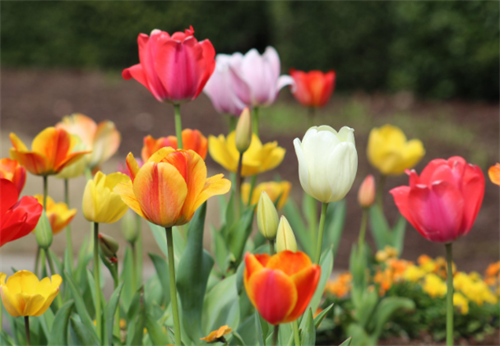
Bulb plants, prized for their plump bulbs and vibrant flowers, are favorites in horticulture, with tulips, daffodils, and lilies being especially popular. Though all three are bulbous plants, their differing growth habits require precise seasonal management. Mastering seasonal care ensures they display their best form throughout the year.
1. Autumn: The “Planting Critical Period” for Establishing Growth
Autumn marks the prime planting period for these bulbs, requiring careful attention to every detail.Before planting, soak bulbs in a 500-fold fungicide solution for 20 minutes to eliminate surface pathogens. Choose loose, well-draining slightly acidic sandy loam, mixing leaf mold, garden soil, and river sand in a 4:3:3 ratio, and add well-rotted organic fertilizer as a base nutrient.
Tulips: Plant in October–November, at a depth 2–3 times the bulb diameter, spacing 10–15 cm apart to prevent overcrowding.
Daffodils: Plant in September–October. For hydroponic cultivation, immerse 1–2 cm of the bulb base in water; for soil cultivation, bury until the bulb top is level with the soil surface.
Lilies: Plant in September–October, burying bulbs to a depth about three times their height to prevent lodging. After planting, water thoroughly to establish roots and place in a cool, ventilated spot.
2. Winter: The “Dormancy Buffer Period”
As temperatures drop, bulbs enter dormancy or slow growth. Focus on warmth and controlled watering.
Tulips and Lilies: Cold-hardy; in southern regions, they can overwinter outdoors. In northern areas, bring indoors, maintaining temperatures above 5°C to prevent bulb frost damage.
Daffodils: Less cold-tolerant; maintain 10–15°C. For hydroponic daffodils, change water weekly; soil-grown bulbs should remain slightly moist.
Water sparingly in winter: tulip and lily pots should be kept just slightly moist, watered once per month; maintain hydroponic daffodil water levels, or keep soil-grown bulbs lightly moist. Fertilization is unnecessary during this period to avoid nutrient buildup damaging the bulbs.
3. Spring: The “Peak Growth and Flowering Period”
As temperatures rise, bulbs enter rapid growth and flowering, requiring enhanced water, nutrient, and light management.
Tulips: Blooming from March to April, they require 6–8 hours of daily sunlight, with phosphorus-potassium fertilizer applied every 10 days to promote full, vivid flowers.
Daffodils: Flower in January–February; slightly reduce light to extend bloom duration. Fertilization is unnecessary to prevent petal browning.
Lilies: Flower in April–May; require abundant light, as insufficient light may cause legginess. Apply a weak liquid fertilizer weekly, with additional phosphorus-potassium fertilizer before flowering.
After flowering, trim tulip and daffodil stems but leave leaves to continue photosynthesis and nutrient accumulation for the bulbs. Lilies should continue to be fertilized; once leaves naturally wither, dig up bulbs, dry them, and store for next year’s planting.
4. Summer: The “Bulb Storage and Management Phase”
During high summer temperatures, the aboveground parts die back, marking the storage phase.
Tulips and Lilies: Once leaves have withered, dig up bulbs, remove remaining soil and dead foliage, air-dry in a cool, ventilated area, then store in breathable cloth bags at 5–10°C.
Daffodils: Hydroponic bulbs can be discarded post-flowering. Soil-grown bulbs may be stored similarly, though flowering quality may decline the following year; purchasing new bulbs is recommended for best results.
Seasonal management directly affects bulb growth and flowering. By following the growth patterns of tulips, daffodils, and lilies and applying precise care at each stage, these bulbs can bloom year after year, adding vibrant color to the garden.
RELATED GUIDES
Indoor Plant Selection and Care: Low-Maintenance Varieties for the Home
In today’s fast-paced lifestyle, many people long to bring vitality into their homes with indoor greenery but worry about not having the time to care for it.
Color Matching Techniques: Enhancing Garden Aesthetics Through Plant Colors
The colors of plants serve as the “palette” of garden aesthetics. Different hues of flowers, foliage, and fruits can impart entirely different moods—fresh and elegant, vibrant and lively, or calm and serene.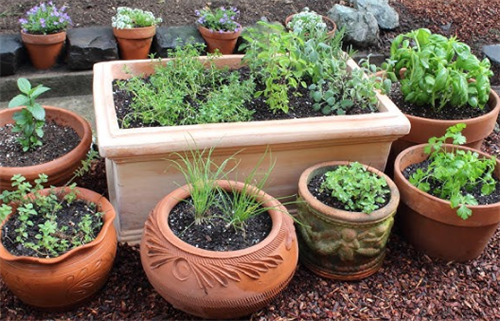
Herbal Garden at Home: Cultivating and Using Mint, Aloe Vera, and Echinacea
Creating a small herbal garden at home allows you to enjoy the vitality of green plants while harvesting natural “medicinal ingredients.”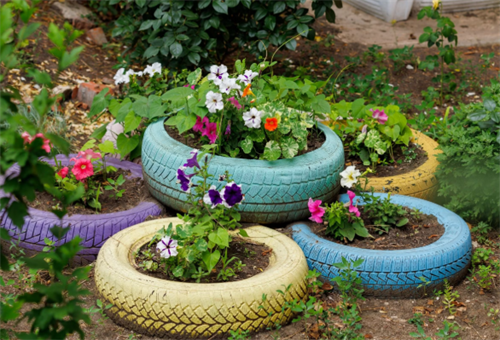
Low-Cost Garden Makeover: Creative Décor with Upcycled Items
Everyday discarded items, with a touch of creativity, can be transformed into unique decorative elements that are both eco-friendly and full of character.