
Orchid Care Guide: Key Points on Humidity, Light, and Watering
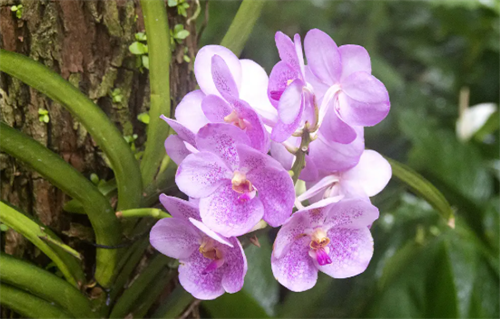
Orchids, cherished for their elegant blooms and delicate fragrance, are highly prized by gardening enthusiasts. However, they have exacting requirements, particularly regarding humidity, light, and watering—factors that directly affect their growth and flowering quality. Mastering proper care ensures orchids remain lush year-round and bloom on schedule.
1. Humidity: Mimicking the “Moisture Secret” of Their Native Habitat
Orchids naturally thrive in humid forested areas, preferring relative humidity between 60% and 80%. Too low can cause leaf tips to brown and pseudobulbs to shrivel; too high can trigger stem rot. At home, humidity can be managed in three ways:
Place a shallow water tray near the pot to raise local humidity, keeping the tray separate from the pot’s base to avoid waterlogging roots.
Mist around the leaves twice daily with a fine spray, avoiding flowers and the leaf crown to prevent rot.
Arrange moss or sphagnum around the orchid rack to increase humidity while creating a natural aesthetic.
In northern homes during dry winter heating, using a humidifier to maintain humidity above 50% is recommended. In southern regions during the rainy season, ensure good ventilation to prevent excessive moisture and disease. Regularly monitor leaves—small brown tips often indicate insufficient humidity and signal the need for adjustment.
2. Light: Follow the “Soft and Diffused” Golden Rule
Orchids are semi-shade plants and should avoid direct sunlight. Optimal growth occurs under bright, diffused light. Light requirements vary by species:
Phalaenopsis and large-flowered Cattleyas require lower light and can be placed on an east-facing windowsill for 3–4 hours of gentle morning sun.
Spring and black orchids prefer slightly stronger light; place them on a south-facing windowsill, using shade cloth to block intense midday sun in summer, and slightly extending light exposure in winter.
Leaf color is a good indicator of light adequacy: glossy dark green leaves signify appropriate light; yellowing or dull leaves indicate excessive light, requiring relocation to a shaded area; elongated, pale leaves signal insufficient light, necessitating gradual increases in diffused illumination. Avoid sudden changes to prevent leaf drop.
3. Watering: Adhere to the “Water When Dry” Principle
Orchid roots are fleshy and air-adapted, liking moisture but sensitive to waterlogging. Check the potting medium: water when the surface appears white and dry, or lift the pot—if it feels noticeably lighter, it’s time to water. Pour water slowly along the pot edges until excess drains from the bottom, avoiding direct flow onto leaves or the crown to prevent rot.
Watering frequency should follow seasonal growth patterns:
Spring: every 5–7 days during peak growth.
Summer: every 3–4 days; mist surrounding air to cool.
Autumn: every 7–10 days as growth slows.
Winter: during dormancy, every 10–15 days.
Rainwater or river water is preferred; if using tap water, let it stand for 2–3 days to dissipate chlorine before use.
Humidity, light, and watering are interconnected and all essential. Adjust care according to the orchid’s growth habits to create an ideal environment, allowing this “noble flower” to flourish beautifully.
RELATED GUIDES

Color Matching Techniques: Enhancing Garden Aesthetics Through Plant Colors
The colors of plants serve as the “palette” of garden aesthetics. Different hues of flowers, foliage, and fruits can impart entirely different moods—fresh and elegant, vibrant and lively, or calm and serene.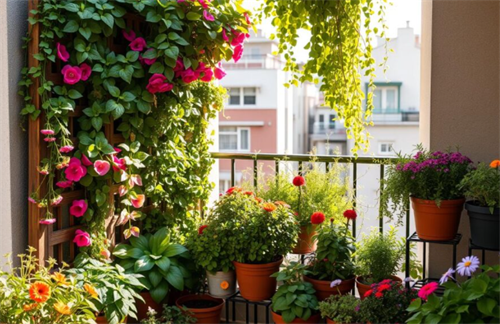
Balcony Garden Design: Big Harvest from a Small Space
In the concrete jungle of modern cities, the balcony serves as the only window connecting home life with nature.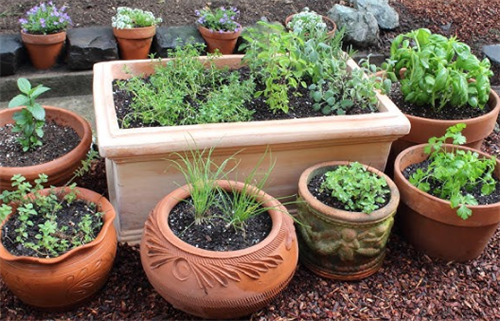
Herbal Garden at Home: Cultivating and Using Mint, Aloe Vera, and Echinacea
Creating a small herbal garden at home allows you to enjoy the vitality of green plants while harvesting natural “medicinal ingredients.”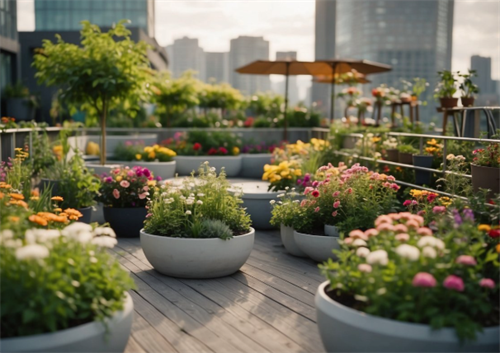
Rooftop Garden Construction Guide: Structural Safety and Plant Selection
In concrete-dominated cities, rooftop gardens have become vital spaces for connecting with nature and improving living environments.