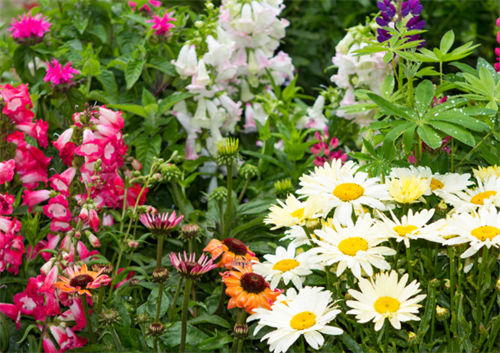
Wildflower Garden: Plant Choices to Attract Bees and Butterflies
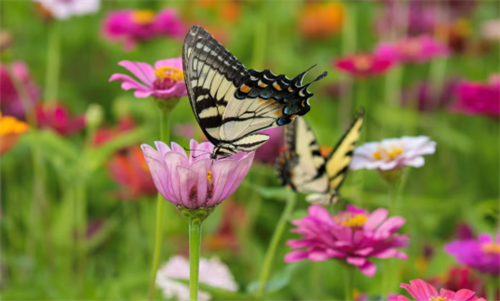
A wildflower garden is not a “neglected” space; rather, it mimics natural ecosystems by planting species that are friendly to pollinators like bees and butterflies, creating a green area that combines ecological value with natural beauty. Bees are key pollinators for agriculture and plant reproduction, while butterflies serve as indicators of ecosystem health. The key to attracting them lies in careful plant selection—providing abundant nectar and pollen for adults, while meeting the feeding needs of butterfly larvae. The following guide covers plant types, planting strategies, and management practices.
I. Prioritize High-Value Nectar Plants to Meet Bees’ Needs
1. Shrubs as Nectar Sources: Long Bloom Periods
Native shrubs form the backbone of nectar plants. For example, goldenraintree blooms from late spring to early summer with white to yellow flowers, offering sweet nectar that attracts honeybees and Italian bees. Purple robe locust produces purple racemes in summer, rich in pollen, serving as excellent food for bees while fixing nitrogen to improve soil. Goji plants bloom light purple flowers from June to September before fruiting in autumn, providing food for late-season bees. These shrubs are hardy, require minimal pruning, and suit the natural style of a wildflower garden.
2. Herbaceous Nectar Plants: Dense Blooms for Easy Access
Low-growing herbaceous plants with dense flowers are ideal for bees. Alfalfa, which blooms for up to three months and yields roughly 1.5 grams of nectar per square meter, serves as an excellent food source for bees. Native cosmos flower continuously from summer through autumn, offering plentiful pollen and attracting additional pollinators such as hoverflies. Dandelions, often dismissed as weeds, bloom early in spring, bridging the “nectar gap” and supplying the first nourishment for bees awakening from winter.
II. Include Butterfly Host Plants to Support Their Life Cycle
1. Select Hosts for Common Butterflies
Butterfly larvae are highly specific in their diet. To attract cabbage whites, plant wild Brassicaceae such as radish or cabbage, avoiding pesticides to protect larvae. To attract swallowtails (e.g., citrus swallowtail), plant Rutaceae such as pepper trees or young orange trees. To attract fritillaries (e.g., leopard butterflies), grow Viola species such as early-blooming violet or wild pansy. These host plants are typically native and integrate naturally into the wildflower garden.
2. Planting Techniques for Hosts
Place host plants at garden edges or semi-hidden areas to prevent larvae from detracting from visual appeal. Pair them with nectar plants so adult butterflies can lay eggs near food sources. For instance, planting violet (fritillary host) in a corner with nearby cosmos (nectar source) allows observation of egg-laying and adult foraging without long-distance travel.
III. Plant Arrangement and Management: Mimic Nature, Minimize Intervention
1. Create a “Tree–Shrub–Herb” Multi-Layer Structure
Plant 1–2 native trees (e.g., black locust or elm) for shade. Add shrubs such as goldenraintree or purple robe locust in the mid-layer. The lower layer includes herbaceous nectar plants and host plants, forming a three-dimensional “food network.” For example, under a black locust tree, plant purple robe locust, with alfalfa and violet at ground level. The varied heights attract different bee and butterfly species, enhancing insect diversity.
2. Reduce Pesticides and Pruning
A wildflower garden should avoid insecticides and herbicides. For pest outbreaks, prioritize biological control (e.g., introducing ladybugs for aphids). Minimize pruning and leave some dead branches and fallen leaves to provide overwintering habitats for insects, such as bees nesting in twigs, while allowing plants to grow naturally. Herbaceous plants like dandelions and violets can self-seed, creating a more natural appearance.
Creating a wildflower garden that attracts bees and butterflies essentially builds a small, mutually beneficial ecosystem—plants provide food and habitat, while insects assist with pollination. By selecting appropriate plants and minimizing human intervention, the garden can transform within 1–2 years into a colorful “insect paradise,” supporting ecological conservation while offering the enjoyment of nature’s wild charm.
RELATED GUIDES
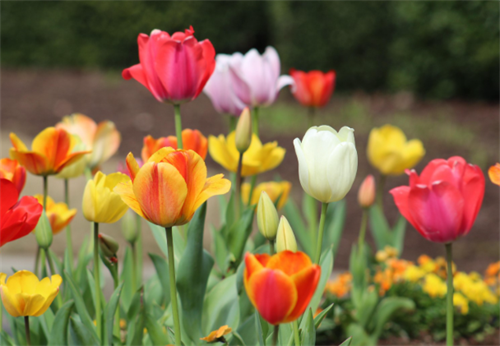
Bulb Plant Cultivation: Seasonal Care for Tulips, Daffodils, and Lilies
Bulb plants, prized for their plump bulbs and vibrant flowers, are favorites in horticulture, with tulips, daffodils, and lilies being especially popular.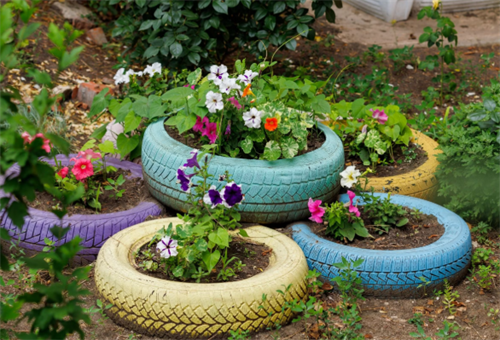
Low-Cost Garden Makeover: Creative Décor with Upcycled Items
Everyday discarded items, with a touch of creativity, can be transformed into unique decorative elements that are both eco-friendly and full of character.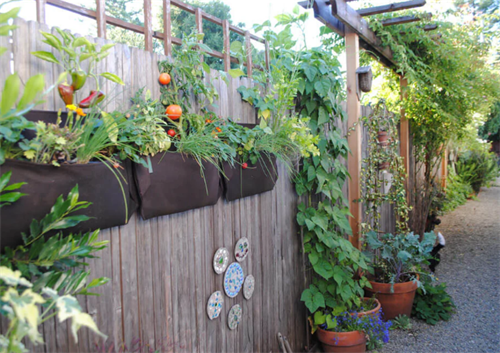
Vertical Garden Ideas: Making the Most of Walls and Frames
As urban spaces grow increasingly compact, “bringing greenery into the air” has become a new gardening trend.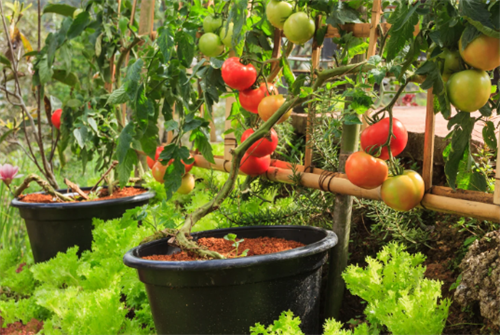
Potted Vegetable Growing Guide: Easy Tomatoes, Peppers, and Lettuce
Creating a small “mini garden” on your balcony or windowsill by growing tomatoes, peppers, and lettuce not only provides fresh ingredients but also brings the joy of gardening.