Complete Guide to Rose Cultivation: Variety Selection and Care Tips
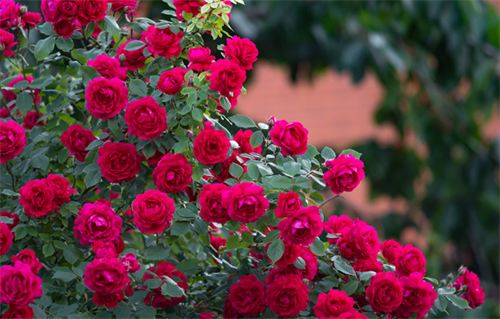
Roses, celebrated for their vivid hues and captivating scent, are widely hailed by gardeners as the “queen of the garden.” To ensure continuous blooming and vigorous growth, it’s essential to first select the right varieties and then master scientific care techniques. Whether grown in balcony pots or garden beds, every step—from variety choice to daily maintenance—requires careful attention. This guide covers both variety selection and core care strategies for successful rose cultivation.
I. Variety Selection: Match the Setting While Balancing Beauty and Ease of Care
1. Balcony Pots: Prioritize “Compact, Frequent-Bloom” Varieties
Balcony spaces are limited, and light and ventilation conditions differ from those in a garden, so compact, pruning-tolerant, and disease-resistant varieties are ideal:
Mini Roses: Growing only 30–50 cm tall with abundant branching and dense blooms, mini roses come in a variety of colors (red, pink, yellow, white) and suit pots 20–30 cm in diameter. Each flowering period lasts 15–20 days, and they can bloom multiple times a year, making them beginner-friendly.
Juice Balcony: A classic balcony rose variety reaching 60–80 cm in height, with orange-yellow flowers 8–10 cm across. It blooms repeatedly from spring to autumn and is highly resistant to diseases like powdery mildew and black spot.
Bell Fairy: Growing 50–70 cm tall with fragrant pink flowers, this variety branches strongly without frequent pruning, forming a full shape. It tolerates summer heat and winter lows down to -10°C, making it suitable for most climates.
2. Garden Beds: Choose “Climbing or Large-Flowered” Varieties
Climbing Roses: Varieties such as “Rosa ‘Dr. Langsa Gem’” display 10–12 cm blooms with a pink-to-white gradient, producing abundant flowers throughout the spring.hey can be trained on trellises or walls, reaching 3–4 meters tall and serving as a focal point in the garden. “Golden Celebration” produces golden blooms with strong fragrance, blooms multiple times a season, and is highly disease-resistant—ideal for garden beds.
Large-Flowered Roses: Varieties like “Pink Fan” boast large pink blooms 15–20 cm across, with thick petals and a flowering period of about 20 days, suitable for solitary planting or borders. “Scarlet Fan” has vivid red flowers, strong heat tolerance, and blooms well in summer, ideal for southern high-temperature regions.
II. Care Tips: Master the “Soil, Water, Fertilizer, Pruning, Protection” Essentials
1. Soil: Loose, Aerated, and pH-Appropriate
Roses thrive in loose, nutrient-rich, well-draining, slightly acidic soil (pH 6.0–6.5). For container planting, combine 4 parts leaf mold, 3 parts garden soil, 2 parts river sand, and 1 part well-rotted organic fertilizer, while steering clear of dense clay soils that can cause root rot.For garden beds, deeply till the soil and mix in 2–3 kg of well-rotted sheep or chicken manure per square meter. Add sulfur powder to adjust pH if soil is too alkaline.
2. Water and Fertilizer: Provide as Needed Without Excess
Watering: Follow a “dry-to-moist” principle—water thoroughly when the top 2–3 cm of soil is dry. For pots, water until excess drains from the bottom; for garden beds, water to a depth of 15–20 cm. In summer, water in the morning or evening to avoid root burn; in winter, reduce watering to keep soil slightly dry.
Fertilizing: During the growth period (March–September), apply a balanced NPK fertilizer (e.g., 10-10-10) once a month to promote foliage. Before flowering (April, September), apply phosphorus-potassium fertilizer (e.g., mono potassium phosphate, diluted 1:1000 for soil drench or foliar spray) to enhance bud formation and flower quantity. After flowering, apply organic fertilizer to replenish nutrients and support plant recovery.
3. Pruning: Seasonal Techniques to Promote Blooming
Post-Flowering: Remove 2–3 compound leaves below spent blooms, leaving healthy buds to conserve nutrients and encourage new growth for the next flowering cycle. For climbing varieties, lightly prune tangled branches while retaining main stems for training.
Winter Pruning (North: Nov–Dec; South: Dec–Jan): Remove weak, crossing, or overcrowded branches, keeping 3–5 main stems for potted roses and 5–8 for garden roses. Shorten stems to 50–80 cm (adjust by variety; climbing roses may retain longer stems) to reduce nutrient consumption over winter and ensure stronger new shoots in spring.
4. Pest and Disease Control: Prevention First, Timely Intervention
Prevention: Ensure good ventilation (avoid dense pot placement; maintain 1–1.5 m spacing in beds) and prevent prolonged leaf wetness (minimize foliar watering; ensure drainage after rain). Spray fungicides (e.g., carbendazim) and insecticides (e.g., imidacloprid) monthly.
Treatment: For powdery mildew or black spot, use myclobutanil or tebuconazole. For aphids or spider mites, apply abamectin or spiromesifen every 7 days for 2–3 treatments to fully eliminate pests.
While rose cultivation requires care, selecting the right varieties and mastering key maintenance practices ensures continuous blooming, whether in balcony pots or garden beds. Each careful step—from variety choice to daily management—is crucial for creating a space filled with romantic blooms and fragrance.
RELATED GUIDES
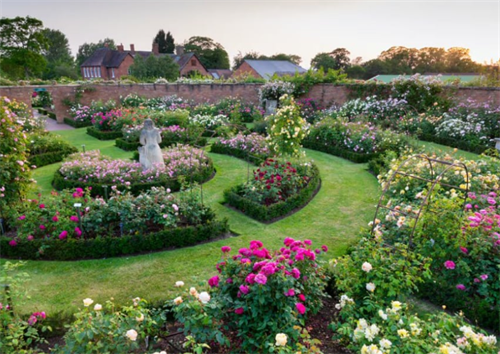
Color Matching Techniques: Enhancing Garden Aesthetics Through Plant Colors
The colors of plants serve as the “palette” of garden aesthetics. Different hues of flowers, foliage, and fruits can impart entirely different moods—fresh and elegant, vibrant and lively, or calm and serene.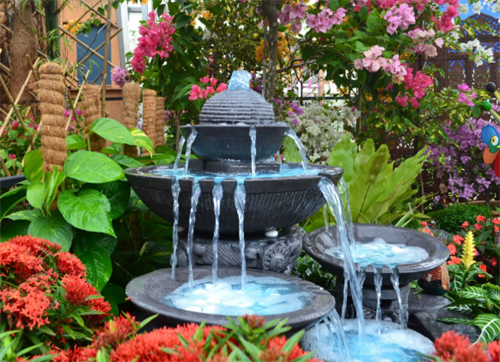
Water Feature Gardens: Creating Ponds, Fountains, and Flowing Water Installations
Water is the “soul” of a garden. A well-planned water feature can breathe life into a courtyard—be it the still reflection of a pond, the lively rhythm of a fountain, or the gentle melody of flowing water, each brings its own unique appeal.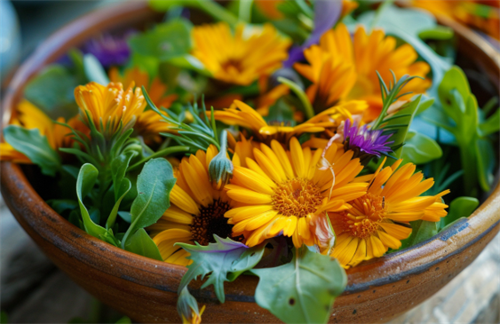
Edible Flower Cultivation: Calendula, Lavender, and Pumpkin Blossoms
Edible flowers not only beautify the garden but also add unique flavors to the table, with calendula, lavender, and pumpkin blossoms among the most popular choices.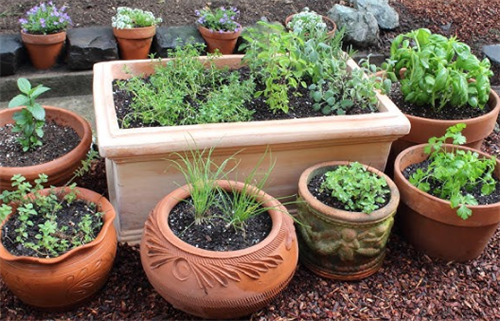
Herbal Garden at Home: Cultivating and Using Mint, Aloe Vera, and Echinacea
Creating a small herbal garden at home allows you to enjoy the vitality of green plants while harvesting natural “medicinal ingredients.”