Garden Path Design Inspiration: Choosing Stone, Wood, and Gravel
Garden paths act as the “lifelines” linking key features and as a “language” expressing the garden’s personality.They not only facilitate movement but, through material, texture, and color, guide visitors to experience the garden’s layers and charm. Stone, wood, and gravel are three classic path materials, each reflecting a distinct aesthetic. Understanding their design logic allows for crafting a uniquely immersive strolling experience.
1. Stone Paths: Timeless Elegance through Substantial Texture
Stone, with its natural hardness and texture, is a “timeless” choice for garden paths, ideal for creating spaces that are both functional and ceremonious.
Granite is a popular option due to its high density and wear resistance. Even when exposed to weather, it resists fading and deformation, making it suitable for main garden paths. Light gray granite edged with white pebbles complements modern minimalist architecture and geometric flower beds, creating a clean, crisp visual effect. Dark gray granite paired with metal-textured garden lights can evoke a sleek industrial vibe.
Bluestone exudes a “timeless charm,” its natural cracks and warm tones complementing the white walls and dark tiles of traditional Chinese gardens or the climbing roses of English country gardens.When laid in a staggered pattern and sprinkled with moss spores between slabs, rainfall encourages moss to spread, creating a natural “green carpet” underfoot, exuding rustic elegance.
Proper groundwork is essential for stone paths: compact the soil first, then lay a 10–15 cm crushed stone base to prevent settling. In northern regions, choose textured finishes such as flamed or lychee surfaces to enhance slip resistance and reduce winter ice hazards.
2. Wood Paths: Creating Relaxation through Warmth and Texture
Wood’s natural grain and warm tones instantly soften hard garden landscapes, making it ideal for nature-friendly relaxation areas and conveying a “slow life” atmosphere.
Pressure-treated wood offers good value, resisting moisture, pests, and mold, and is suitable near water features or dense vegetation. For example, a wooden boardwalk around a pond, combined with aquatic plants and outdoor rattan chairs, allows afternoon relaxation while listening to flowing water. Narrow wooden paths through flower beds lined with lavender or sage provide tactile warmth underfoot and immerse walkers in floral fragrance.
For higher durability and refined aesthetics, hardwoods like teak or Ipe are excellent. Naturally oily, they require minimal maintenance, resist decay even in rain, and develop a rich patina over time. A teak path leading to a terrace paired with matching outdoor furniture can create a Southeast Asian resort feel, turning the garden into a serene retreat.
Designers should allow 5–8 mm expansion gaps to accommodate thermal movement and apply wood oil every 2–3 years to preserve color and enhance water resistance.
3. Gravel Paths: Highlighting Natural Playfulness
Gravel, light and flexible, is perfect for crafting a natural, rustic style, especially in irregular garden layouts or as secondary paths.
Pale beige gravel paired with white low walls and succulents such as cacti or agave creates a crisp, Mediterranean-inspired atmosphere.Dark gray gravel suits Japanese rock gardens, where it can be paired with white sand, sculpted pines, and moss. The gravel’s texture simulates flowing water, creating a serene, contemplative atmosphere.
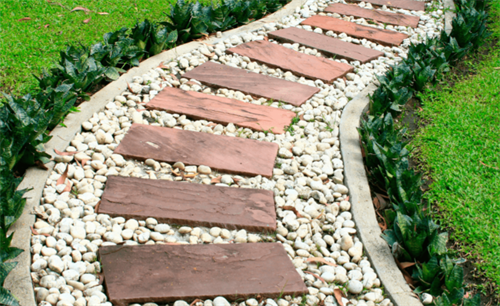
Gravel paths are easy to construct without complex foundations: level the ground, lay a geotextile to prevent weeds and sinking, then spread 5–10 cm of gravel evenly. For a more refined look, use wooden or metal edging to define the path and prevent scattering. Embedding stepping stones within the gravel enhances ease of walking while introducing a “solid-and-empty” visual rhythm.
Each material has its strengths, and paths need not be limited to one choice. For instance, use stone for main paths for durability, wood for side paths leading to relaxation areas for warmth, and gravel for corner trails to evoke a wild charm. By aligning material selection with overall garden style, function, and climate, paths can become the garden’s finishing touch, guiding visitors to appreciate nature’s subtle beauty with every step.
RELATED GUIDES
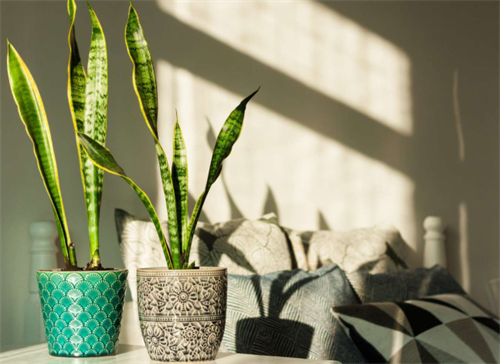
Indoor Plant Selection and Care: Low-Maintenance Varieties for the Home
In today’s fast-paced lifestyle, many people long to bring vitality into their homes with indoor greenery but worry about not having the time to care for it.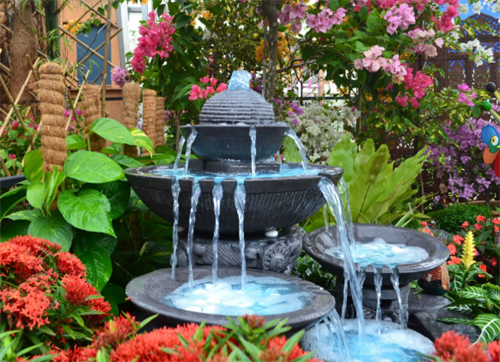
Water Feature Gardens: Creating Ponds, Fountains, and Flowing Water Installations
Water is the “soul” of a garden. A well-planned water feature can breathe life into a courtyard—be it the still reflection of a pond, the lively rhythm of a fountain, or the gentle melody of flowing water, each brings its own unique appeal.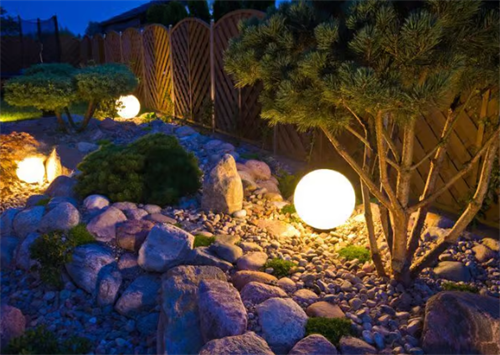
Small Garden Lighting Design: Creating Nighttime Atmosphere
A small garden during the day is a natural space where plants stretch and flowers bloom, but its nighttime charm often relies on carefully designed lighting to awaken it.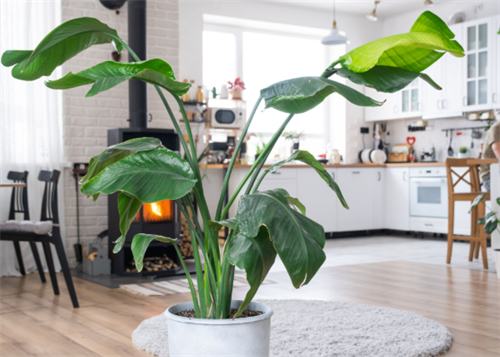
Indoor Care for Tropical Plants: Monstera, Bird of Paradise, and Fiddle-Leaf Fig
Monstera, Bird of Paradise, and Fiddle-Leaf Fig are popular indoor plants thanks to their striking foliage and tropical charm.