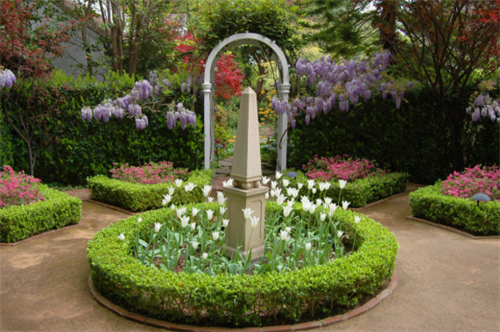
Garden Zoning Techniques: Planning Leisure Areas, Planting Zones, and Pathways
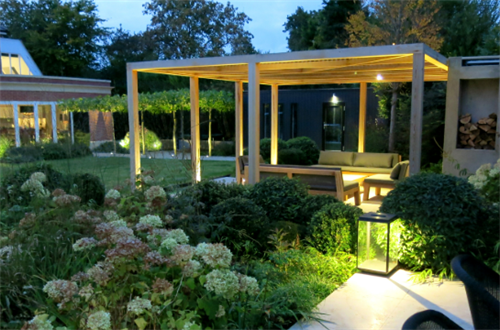
Regardless of a garden’s size, thoughtful zoning is key to maximizing space efficiency and enhancing the overall experience. Thoughtful division of leisure spaces, planting zones, and pathways not only supports relaxation and visual enjoyment but also streamlines plant maintenance and avoids functional overlap.The following guide provides practical zoning strategies based on design principles, useful tips, and coordination logic, suitable for gardens of all sizes.
I. Leisure Area: Focus on Comfort and Interaction to Create a “Garden Living Room”
1. Determine Function and Layout by Space Size
Small Gardens (10–20 m²): Choose a compact design featuring a 1.2–1.5 m² wooden deck or bluestone platform.Add a single set of folding table and chairs (occupying no more than 0.8 m² when open) and leave 30–50 cm of movement space. Surround the area with 2–3 large potted plants (e.g., monstera or fiddle-leaf fig) to create a sense of enclosure and avoid a sparse feeling.
Medium to Large Gardens (20 m²+): Divide into a main leisure area and a secondary space. The main area can feature a fixed wooden deck with rattan sofas or wooden table and chairs for 4–6 people, complemented by a sunshade or pergola. The secondary area, adjacent to planting zones, can host a single swing or lounge chair for solitary relaxation and viewing.
2. Balance Practicality and Aesthetic Appeal
Choose slip-resistant, weatherproof flooring such as textured granite or treated wood (maintained annually with wood oil). Surround the area with low flower borders (e.g., roses, dwarf petunias) to preserve sightlines, avoiding tall shrubs. If space allows, add a small water feature (e.g., 1 m-diameter round pond) to combine soothing water sounds with greenery and enhance the relaxing atmosphere.
II. Planting Zone: Functionally Organized for Both Aesthetics and Ease of Care
1. Divide Zones Based on Plant Needs
Ornamental Flower Beds: Select plants with staggered bloom times, such as tulips in spring, hydrangeas in summer, and chrysanthemums in autumn, paired with evergreens (e.g., holly, boxwood) to ensure year-round appeal. Keep beds 1–1.5 m wide for easy reach and maintenance.
Practical Planting Areas: For vegetables or herbs, create dedicated raised beds (30–40 cm high) to improve drainage and prevent nutrient competition with ornamental plants. Position herbs (e.g., mint, rosemary) at bed edges near leisure areas for convenient harvesting.
Shade- or Moisture-Tolerant Areas: In corners or under tree canopies, plant shade-tolerant species like pothos, ferns, or hostas. Low-lying areas can be converted into small wetland zones with plants such as iris or cattails, utilizing otherwise idle space and adding visual depth.
3. Use Layered Planting for Visual Appeal
Follow the “low in front, high in back” principle: front rows with herbaceous plants (30–50 cm), middle rows with shrubs (1–1.5 m), and back rows with trees or tall shrubs (2 m+), creating a three-dimensional effect. For example, plant dwarf petunias in front, roses in the middle, and hibiscus in the back to ensure all layers receive sunlight and enhance visual depth.
III. Pathway Planning: Connect Zones with Practicality and Guidance
1. Determine Width and Material by Function
Main Pathways: Connect the garden entrance to leisure areas, wide enough for two people side by side (1.2–1.5 m). Use durable, easy-to-clean materials like bluestone or permeable bricks, incorporating a “straight layout with grass-filled side gaps” for a natural feel.
Secondary Paths: Link planting zones or minor features, 0.8–1 m wide, using flexible materials such as gravel or wood chips. Line with low-growing plants (e.g., zoysia grass) to create a “walking through flowers” experience.
2. Enhance Guidance with Curves and Nodes
Avoid completely straight paths; use gentle curves to gradually reveal views. For instance, a main path can lead from the entrance past small flower bed nodes before reaching the leisure area, encouraging exploration. Add “pause nodes” at turns, such as a large potted plant or small decorative rock, to create rhythm and avoid monotony.
Garden zoning is not about rigid separation but achieving “complementary integration.” Leisure areas rely on planting zones to enhance the experience, planting zones connect to leisure areas for easier maintenance, and pathways tie all zones into a cohesive whole. By prioritizing function while maintaining aesthetics, any garden—large or small—can be both practical and visually appealing, with each zone fulfilling its maximum potential.
RELATED GUIDES
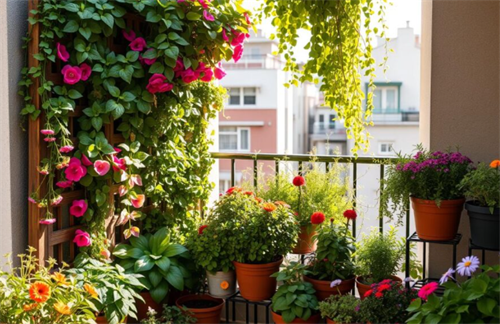
Balcony Garden Design: Big Harvest from a Small Space
In the concrete jungle of modern cities, the balcony serves as the only window connecting home life with nature.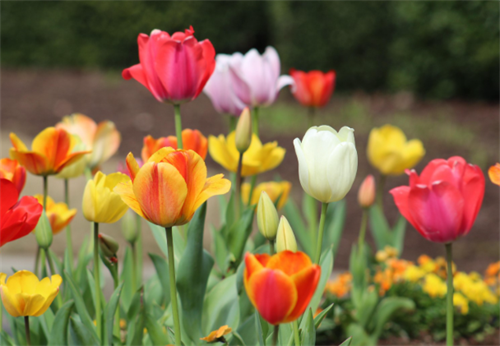
Bulb Plant Cultivation: Seasonal Care for Tulips, Daffodils, and Lilies
Bulb plants, prized for their plump bulbs and vibrant flowers, are favorites in horticulture, with tulips, daffodils, and lilies being especially popular.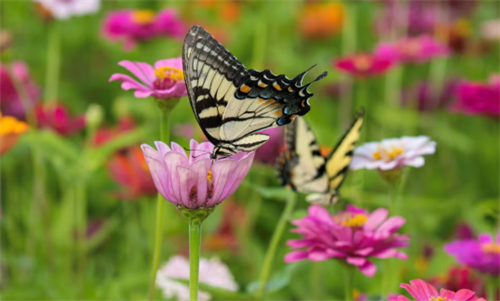
Wildflower Garden: Plant Choices to Attract Bees and Butterflies
A wildflower garden is not a “neglected” space; rather, it mimics natural ecosystems by planting species that are friendly to pollinators like bees and butterflies, creating a green area that combines ecological value with natural beauty.
Home Vegetable Garden Planning: Fresh Vegetables All Year Round
With growing concerns over food safety, having a home vegetable garden and planting fresh produce by hand has become a lifestyle pursuit for many.