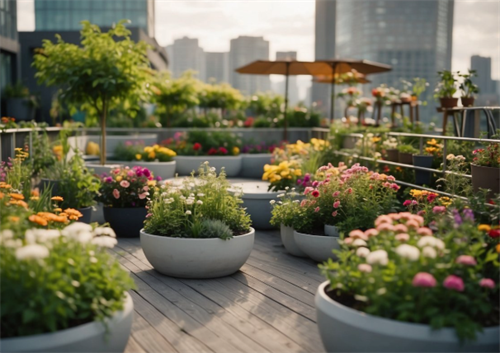
Potted Vegetable Growing Guide: Easy Tomatoes, Peppers, and Lettuce
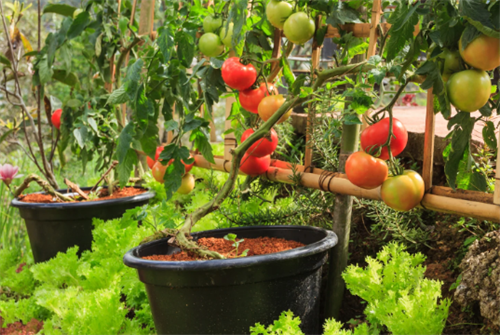
Creating a small “mini garden” on your balcony or windowsill by growing tomatoes, peppers, and lettuce not only provides fresh ingredients but also brings the joy of gardening. With no need for professional experience, mastering a few key techniques will help your potted vegetables thrive, making “vegetable freedom” easy to achieve.
1. Variety Selection: Choosing the Best for Pots
For container growing, select dwarf, early-maturing varieties with fewer branches to avoid overly tall plants. For tomatoes, “cherry tomatoes” or “dwarf tomatoes” are recommended—plants grow 60–80 cm tall, bear abundant clusters of small, plump fruit. For peppers, choose “chili pequin,” “bell peppers,” or special “potted pepper” varieties with compact roots and strong shade tolerance. For lettuce, “butterhead” and “romaine” are ideal, with short growth cycles of 40–50 days, allowing multiple harvests from the same plant. Always buy fresh seeds from reliable sources to ensure good germination.
2. Planting Preparation: Matching Containers and Soil
Choose containers with both breathability and capacity. Tomatoes and peppers have larger root systems, so use clay or gallon pots at least 25–30 cm wide and 30 cm deep, with 3–5 drainage holes at the bottom. Lettuce has shallow roots and does well in 15–20 cm shallow pots. For soil, mix fertile, loose humus soil in the ratio: 4 parts leaf mold + 3 parts garden soil + 2 parts perlite + 1 part well-rotted organic fertilizer. Sun-dry the mix for 1–2 days before use to sterilize and kill pests. Place broken pottery or gravel at the bottom of pots to improve drainage and prevent root rot.
3. Planting by Crop: Key Steps in Detail
a. Tomatoes: Support and Pruning
Tomatoes can be sown directly or transplanted as seedlings. Scatter seeds on the soil surface, cover with 0.5 cm of fine soil, water, then cover with plastic wrap. Maintain 20–25°C, and seeds will sprout in 5–7 days. Transplant seedlings when they have 4–5 true leaves, one plant per pot, watering thoroughly after planting. When plants reach 30 cm, provide support with bamboo sticks or wire frames and tie stems gently to prevent lodging. Regular pruning is important—remove lower side shoots, keeping the main stem and 2–3 side branches to concentrate nutrients for fruiting.
b. Peppers: Water Control and Flower Retention
Peppers are best transplanted as seedlings when they have 3–4 true leaves, with 1–2 plants per pot. Keep the soil moist but avoid waterlogging, following the principle of “water when dry.” In hot summer weather, water once in the morning and once in the evening. During flowering, maintain humidity—spray the leaves lightly once a day if the air is dry. If many flowers drop, spray a diluted potassium dihydrogen phosphate solution to improve fruit set. During fruiting, apply phosphorus and potassium fertilizers regularly—every two weeks use fermented rice-water or compound fertilizer, avoiding excess nitrogen that encourages leaf overgrowth instead of fruiting.
c. Lettuce: Successive Sowing and Timely Harvesting
Lettuce can be sown directly. Soak seeds for 2 hours, scatter them on the soil surface, cover with 1 cm of soil, water, and keep the soil moist. At 15–20°C, seeds germinate in 3–4 days. To ensure continuous harvest, sow in batches every 10–15 days. Lettuce requires consistent moisture but no waterlogging. When leaves reach 10–15 cm, start harvesting by picking outer leaves while leaving the central ones to continue growing, allowing multiple harvests from each plant.
4. Common Issues: Pest and Disease Control
Common problems in potted vegetables include aphids, powdery mildew, and anthracnose. To deter aphids, place insect-repelling plants such as mint or garlic around pots, or spray leaves with soapy water. Powdery mildew and anthracnose are usually caused by poor ventilation and excess humidity—improve airflow, promptly remove diseased leaves, and at the first signs, spray a diluted carbendazim solution to control spread.
RELATED GUIDES
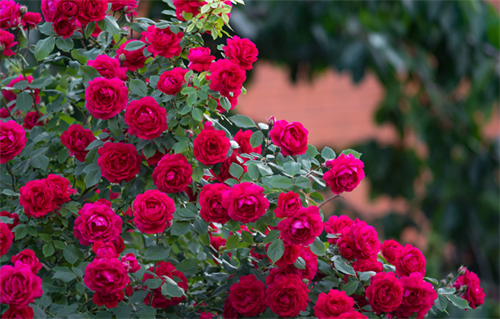
Complete Guide to Rose Cultivation: Variety Selection and Care Tips
Roses, celebrated for their vivid hues and captivating scent, are widely hailed by gardeners as the “queen of the garden.”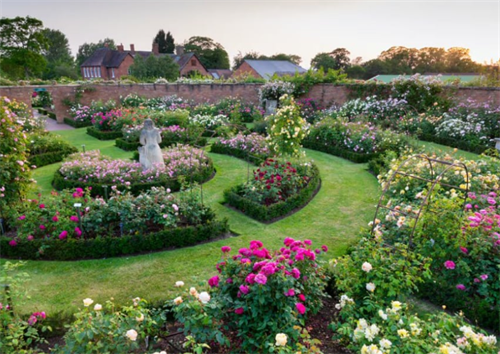
Color Matching Techniques: Enhancing Garden Aesthetics Through Plant Colors
The colors of plants serve as the “palette” of garden aesthetics. Different hues of flowers, foliage, and fruits can impart entirely different moods—fresh and elegant, vibrant and lively, or calm and serene.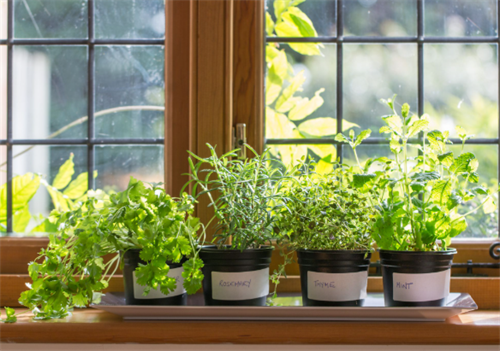
Herb Garden Design: A Home Growing Guide for Culinary Herbs
Creating a herb garden on the kitchen windowsill, balcony, or in a corner of the yard not only adds refreshing greenery but also provides fresh herbs to enhance everyday dishes.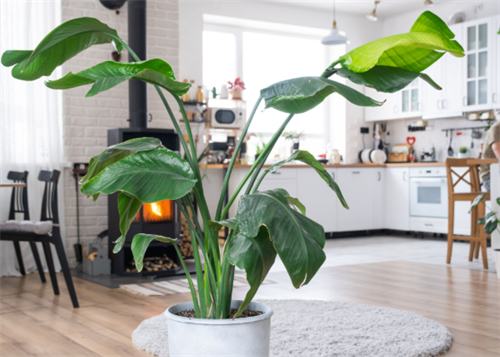
Indoor Care for Tropical Plants: Monstera, Bird of Paradise, and Fiddle-Leaf Fig
Monstera, Bird of Paradise, and Fiddle-Leaf Fig are popular indoor plants thanks to their striking foliage and tropical charm.