Herb Garden Design: A Home Growing Guide for Culinary Herbs
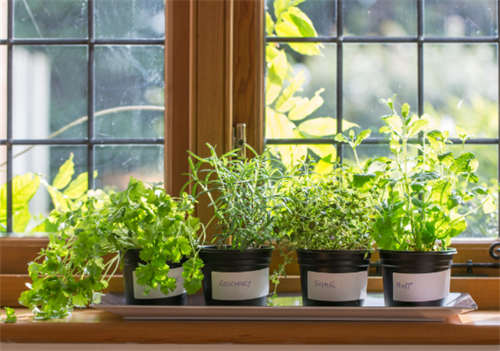
Creating a herb garden on the kitchen windowsill, balcony, or in a corner of the yard not only adds refreshing greenery but also provides fresh herbs to enhance everyday dishes. The rich aroma of basil, the earthy fragrance of rosemary, the cool freshness of mint—these common culinary herbs are easy to grow and maintain. With this guide, you can easily achieve “herb freedom,” filling your meals with natural flavors.
1. Core Varieties: Best Choices for Cooking and Home Growing
When choosing herbs for home gardens, prioritize varieties that are “easy to care for and highly practical,” balancing culinary use with growing habits. Five must-grow categories include:
Basil: The soul of Italian cuisine. “Sweet basil” pairs well with tomatoes and pizza, while “lemon basil” adds a fruity note. Prefers warmth and indirect light on windowsills.
Rosemary: Essential for Western roasts and bread. Choose “upright rosemary,” drought- and sun-tolerant, with woody stems that also serve as long-term ornamentals.
Mint: Refreshing and versatile. “Spearmint” works well for tea and cocktails, while “apple mint” is perfect for desserts. Strong shade tolerance, but avoid waterlogging.
Thyme: Enhances stews and marinades. Both “common thyme” and “lemon thyme” are excellent, hardy, and drought-resistant, ideal for small pots.
Parsley: Adds flavor to salads and soups. Opt for “flat-leaf parsley” (easier to chew). Likes moist, partly shaded environments.
When buying, seedlings are preferable to seeds for higher survival rates. Avoid plants with yellowing leaves or rotting roots.
2. Garden Layout: Making the Most of Small Spaces
(1) Containers by Growth Habit
Select containers based on root depth and growth form, balancing practicality and aesthetics:
Shallow pots: Mint and parsley have shallow roots; a 15–20 cm pot works well. Up to 3–4 herbs can be grown together (spaced 10 cm apart), perfect for kitchen windowsills.
Deep pots: Rosemary and thyme have stronger root systems; plant them individually in pots 25 cm or deeper, placed in sunny balcony spots.
Hanging pots: Basil can thrive in hanging planters on balcony railings, keeping leaves clean and saving surface space.
Clay pots or breathable plastic pots are best, with 3–5 drainage holes to prevent root rot.
(2) Layout Ideas: Three Classic Setups
Mini kitchen windowsill garden: Use 2–3 tier shelves; place sun-loving rosemary and basil on the top, shade-tolerant mint and parsley below—always within reach for cooking.
Vertical balcony garden: Combine hanging pots and vertical racks—deep pots of rosemary at the bottom, mixed herbs in shallow pots in the middle, mint cascading from the top for a lush layered effect.
Garden border bed: In small yards, line pathways with wooden planters. Arrange plants in layers: tall rosemary at the back, medium-height basil in the middle, low thyme in front, creating a natural herb border.
3. Growing and Care Essentials: Simple Steps for Healthy Plants
(1) Light and Watering
Light: Rosemary and basil need at least 6 hours of direct sunlight, best on a south-facing balcony. Mint and parsley do well with 3–4 hours of indirect light, and should be protected from harsh midday sun.
Watering: Follow the “water when dry” rule. Rosemary and thyme are drought-tolerant—water only when soil is completely dry. Mint and parsley thrive in evenly moist soil but cannot tolerate standing water. During hot summer months, water them twice a day—once in the morning and once in the evening.
(2) Fertilizing and Pruning
Fertilizing: During the growing season (April–September), apply a light fertilizer every 2 weeks. Use diluted fermented rice water (1:5) or a balanced liquid fertilizer. Avoid excessive nitrogen, which weakens flavor by promoting excessive leaf growth.
Pruning: Pinch off the top shoot when seedlings reach 10 cm to encourage branching. For harvesting, cut stems from the middle, leaving 2–3 pairs of leaves at the base to promote regrowth. Basil and mint can be harvested again about 2 weeks after pruning.
4. Harvesting and Culinary Use: Fresh Herbs Taste Best
(1) Proper Harvesting Methods
Leafy herbs (mint, parsley): Pick outer leaves, leaving the central growth intact.
Woody herbs (rosemary, thyme): Snip the top third of stems, avoiding the hardened woody base.
Flowering stage: Harvest basil just before flowering, when flavor is strongest. Remove flower buds promptly to prevent plants from aging.
(2) Simple Recipes to Unlock Herb Flavor
Basil tomato pasta: Toss a few basil leaves into cooked pasta, top with chopped fresh basil and diced tomato, drizzle with olive oil.
Rosemary roast chicken wings: Marinate wings with chopped rosemary, salt, and black pepper, roast at 200°C for 25 minutes—aromatic and flavorful.
Mint lemon tea: Brew fresh mint leaves with lemon slices in warm water, chill before serving for a refreshing drink.
Building a home herb garden requires no professional skills—just simple daily care. With fresh rosemary to season roasted meat or basil to brighten a salad, you’ll not only taste nature but also enjoy the satisfaction of growing your own, turning ordinary cooking moments into soothing, joyful experiences.
RELATED GUIDES
Herb Garden Design: A Home Growing Guide for Culinary Herbs
Creating a herb garden on the kitchen windowsill, balcony, or in a corner of the yard not only adds refreshing greenery but also provides fresh herbs to enhance everyday dishes.
Themed Garden Design: A Comparison of English, Japanese, and Mediterranean Styles
A themed garden is an extension of its owner’s aesthetics and lifestyle, with each style carrying a unique ambiance.
Small Garden Lighting Design: Creating Nighttime Atmosphere
A small garden during the day is a natural space where plants stretch and flowers bloom, but its nighttime charm often relies on carefully designed lighting to awaken it.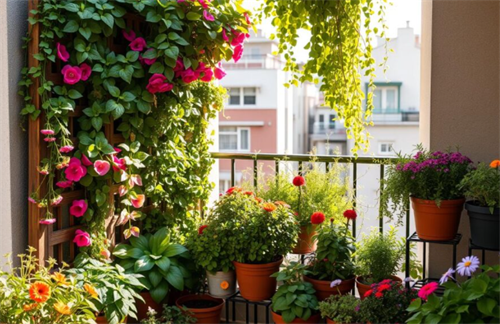
Balcony Garden Design: Big Harvest from a Small Space
In the concrete jungle of modern cities, the balcony serves as the only window connecting home life with nature.