Balcony Garden Design: Big Harvest from a Small Space
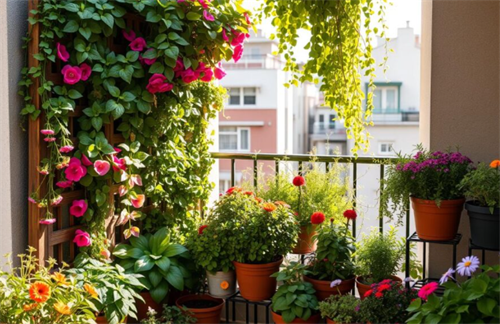
In the concrete jungle of modern cities, the balcony serves as the only window connecting home life with nature. Though it may seem small, with thoughtful design, this corner once used for drying clothes and storing odds and ends can be transformed into a vibrant “sky garden.” Not only does it provide visual pleasure, but it also yields fresh vegetables, fruits, and soothing greenery—fulfilling the dream of “big harvest from a small space.”
1. Smart Planning: Make the Most of Every Inch
The first step in balcony garden design is carefully planning the layout—this is the key to achieving “small yet refined.” The layout should be based on the balcony’s orientation:
A south-facing balcony receives plenty of sunlight, ideal for dividing into a “vegetable and fruit planting zone” and a “leisure and viewing area.”
East- or west-facing balconies get limited sunlight hours, better suited for a “flower cultivation zone” with short-day plants.
A north-facing balcony has weaker light, making it perfect for shade-tolerant plants such as pothos and ferns, creating a “green corner of shade.”
Space should be used in three dimensions rather than just the floor. Install multi-layer shelves or grid racks on walls for medium and small potted plants; hang pots with trailing vines such as ivy or string-of-pearls from railings; place wheeled plant stands on the floor for easy repositioning based on sunlight; and add adjustable hanging racks overhead to maximize vertical space. For example, a 4㎡ balcony can adopt a three-tier layout: hanging greenery above, potted vegetables in the middle, and storage-style planters below. This setup can hold more than 20 pots while still leaving a cozy spot for relaxation.
2. Thoughtful Plant Selection: Balancing Practicality and Aesthetics
Choosing the right plants is the heart of achieving a “big harvest.” Selection should follow the principles of adapting to local conditions and meeting practical needs while also considering visual appeal.
For edible yields, opt for short-cycle, easy-to-care-for crops. Cherry tomatoes are compact, suitable for pots, and bear fruit for 3–4 months, both decorative and edible. Mini cucumbers can climb trellises without taking up much room, and they are crisp and refreshing. Strawberries thrive in shallow containers, blooming in spring and fruiting in summer with sweet-tart berries. These crops not only provide fresh ingredients but also bring vitality when in bloom and fruiting.
For ornamental value, choose flowers suited to the seasons. Plant tulips and hyacinths in spring for bright colors; hydrangeas and jasmine in summer for lush blossoms and fragrance; chrysanthemums and bougainvillea in autumn for long-lasting blooms; and wintersweet and cyclamen in winter for cold hardiness and color. It’s important to ensure harmonious combinations—group sun-loving with shade-loving, drought-tolerant with moisture-loving plants to avoid conflicts in growth. Native plants such as pothos, spider plants, and mint are also good choices—they are hardy, easy to maintain, and less prone to pests.
3. Blending Functions: Creating a Healing Retreat
When function meets aesthetics, the sense of “harvest” from a balcony garden is multiplied. Beyond planting, adding leisure features can transform the balcony into a “second living room.”
Place a small folding table with two rattan chairs for afternoon tea or reading. For smaller balconies, choose foldable wall-mounted furniture that saves space when not in use. For ambiance, string lights or solar lamps can create a warm glow at night. Add aromatic plants such as lavender or rosemary—when a breeze stirs, the fragrance enhances relaxation.
Decor also boosts charm. Repurpose old wooden crates or concrete pots as planters for a rustic touch; use glass bottles or yogurt cups as hydroponic containers for greenery like pothos or pennywort for a fresh minimalist look. Add small sculptures, figurines, or handmade ornaments among the pots to bring whimsy and personality. Such details make the balcony more visually appealing while turning gardening itself into a soothing, rewarding experience.
4. Proper Care: Ensuring a Continuous Harvest
A thriving balcony garden depends on consistent, mindful care. Daily maintenance need not take much time—just a few key practices keep plants flourishing.
Watering should match plant needs: keep the soil moist for humidity-loving plants like pothos and ferns; for drought-tolerant succulents and cacti, water only when the soil dries to avoid root rot; fruiting vegetables need extra water during harvest stages. Fertilizing should follow the principle of “light and frequent”—apply organic compost such as fermented rice water or sheep manure once a month during growth, and add phosphorus and potassium during flowering and fruiting to boost yields.
Regular pruning is also essential. Trim away dry branches and yellowing leaves to keep plants neat and encourage branching, leading to more flowers and fruit. For pest control, prioritize physical methods: remove aphids with toothpicks, wipe scale insects with alcohol-dipped cotton swabs, and spray garlic or chili water to prevent diseases—minimizing pesticide use for a healthier environment. With just 10 minutes of care each day, your balcony will remain vibrant, delivering a steady stream of beauty and harvest.
RELATED GUIDES
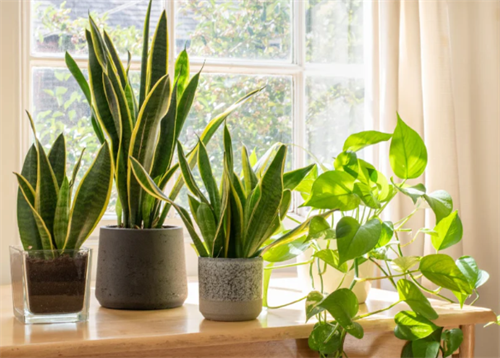
Top 10 Air-Purifying Plants: Improve Indoor Air Quality
Indoor air pollution is often overlooked, and houseplants serve as natural “air purifiers.”
Themed Garden Design: A Comparison of English, Japanese, and Mediterranean Styles
A themed garden is an extension of its owner’s aesthetics and lifestyle, with each style carrying a unique ambiance.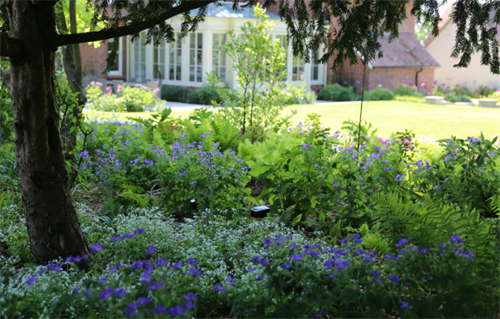
Shade-Tolerant Plant Selection: Ideal Species for Low-Light Areas
Indoor north-facing rooms, corridor corners, or outdoor shaded spots behind trees or buildings often lack sufficient light, making plant growth challenging.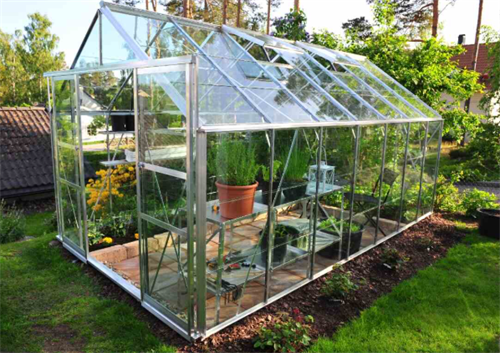
Mini Greenhouse Building Guide: Extend Your Growing Season
For gardening enthusiasts, seasonal changes often mean interruptions in planting—seedlings risk being damaged by late spring frosts, while autumn frosts can cut the growing season short.