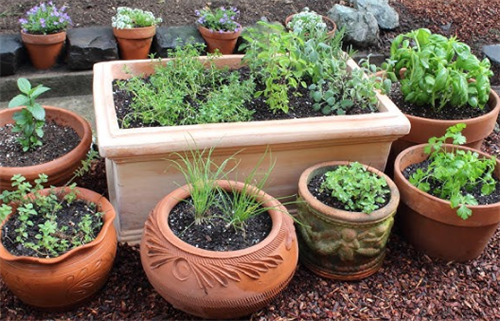
Low-Maintenance Garden Design: Solutions for Busy Professionals
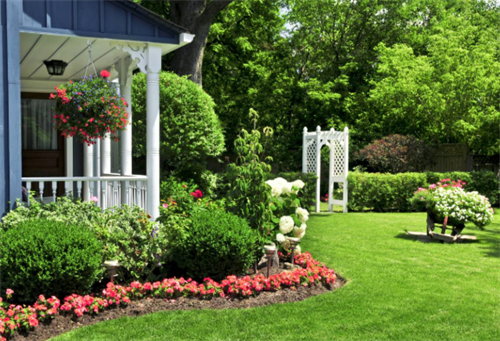
For busy office workers, the desire to enjoy a lush, green garden often collides with the lack of time for upkeep. The essence of low-maintenance garden design lies in smart planning that minimizes daily tasks such as watering, pruning, and fertilizing, while still balancing beauty with function. The following guide outlines practical solutions from three dimensions—space layout, plant selection, and facility setup—to help professionals create an easy-to-care-for yet attractive garden.
I. Space Planning: Simplify Layouts, Eliminate Hard-to-Maintain Corners
A low-maintenance garden should avoid overly complex designs and intricate details. A clean, straightforward layout reduces future upkeep and leaves space for flexible use.
1. Balance “Hardscape + Softscape”
Hardscape elements (such as stone paths, decking, or gravel zones) require minimal care and can account for 40–50% of the garden area. For example, paving pathways with stone and surrounding them with gravel or pebbles reduces weed growth; installing a 10–15 m² wooden deck creates a seating area that needs no pruning or irrigation. Softscape (planting areas) should be concentrated into 2–3 zones instead of scattered, making maintenance more efficient.
2. Minimize Complex Terrain and Decorations
Avoid steep terrain changes or multi-tiered flower beds, which complicate watering and risk soil erosion. Skip high-maintenance décor, such as delicate ornaments or white pebbles that require frequent cleaning. Instead, choose durable, low-maintenance features like ceramic pots and metal trellises, which combine visual appeal with practicality.
II. Plant Selection: Choose the Right Varieties to Reduce Upkeep
Plants are the heart of the garden, and selecting species that are drought-tolerant, resilient in poor soil, and resistant to pests can greatly reduce the need for watering, fertilizing, and pest control—while ensuring year-round interest.
1. Prioritize “Three-Resistant” Plants to Minimize Water and Fertilizer Needs
Opt for plants that are drought-tolerant, soil-tolerant, and low-maintenance. Shrubs such as roses (choose disease-resistant varieties like ‘Pink Fairy’), hibiscus, and lilac thrive with minimal care and need watering only once or twice a month. Herbaceous options like coreopsis, cosmos, and blanket flowers require little attention after sowing and bloom for 2–3 months. For groundcovers, sedum and creeping stonecrop are excellent, offering strong drought resistance and coverage without the need for pruning.
2. Limit Vines and Large Trees to Reduce Frequent Pruning
Vines like Boston ivy or wisteria grow quickly and demand regular pruning, so they should be used sparingly on walls or trellises, preferably slower-growing species like star jasmine. Large trees such as camphor or plane trees shed heavily and require constant cleanup; replace them with dwarf varieties such as crape myrtle or flowering quince, keeping height under 2 meters to minimize leaf litter and pruning.
3. Incorporate Evergreens for Year-Round Appeal
Evergreen shrubs (such as holly or boxwood) and perennials (such as mondo grass or iris) should make up at least 60% of the planting scheme. These ensure greenery throughout winter, reduce seasonal replanting, and keep upkeep to a minimum.
III. Facility Setup: Use Tools to Improve Efficiency
The right irrigation and protective systems can further reduce manual intervention, making garden care far less demanding.
1. Install an Automatic Irrigation System
Lay drip lines or micro-sprinklers in planting zones, connected to a timer set for 30 minutes once or twice a week. This delivers water directly to the roots, conserving water and eliminating the need for manual watering. On a smaller budget, porous irrigation pots can keep soil moist for 7–10 days with a single fill.
2. Apply Weed Barriers and Mulch
Cover the soil with weed-control fabric and add a 5–8 cm layer of bark or coco husk mulch. This suppresses weed growth, reduces evaporation, lowers watering frequency, and only requires topping up once a year.
3. Install Protective Fencing to Prevent Damage
If the garden borders green space, a 50 cm metal fence can keep pets like cats and dogs from trampling plants. For pest-prone plants such as roses, apply long-lasting insect repellents (e.g., cypermethrin) once every two months to reduce pest management needs.
Conclusion
A low-maintenance garden does not mean “no maintenance,” but rather a scientifically designed space that minimizes care requirements. For office workers, spending just 1–2 hours on weekend tidying and occasional mulch renewal is enough to keep the garden thriving. With the right planning, you can enjoy a green retreat full of year-round beauty without the burden of constant upkeep, bringing nature’s calm into the rhythm of a busy life.
RELATED GUIDES
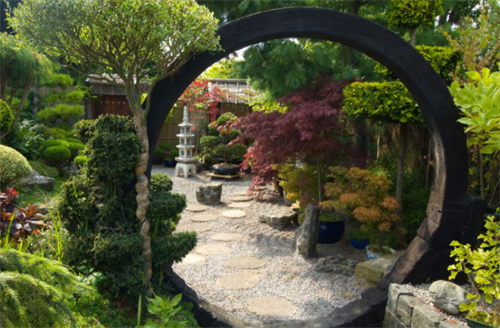
Themed Garden Design: A Comparison of English, Japanese, and Mediterranean Styles
A themed garden is an extension of its owner’s aesthetics and lifestyle, with each style carrying a unique ambiance.
Orchid Care Guide: Key Points on Humidity, Light, and Watering
Orchids, cherished for their elegant blooms and delicate fragrance, are highly prized by gardening enthusiasts.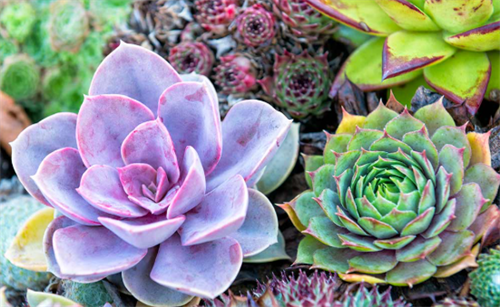
Succulent Plant Guide: Popular Varieties and Propagation Tips
Succulents, with their charming forms and easy care, have become the “new favorites” for balcony and desktop greenery. T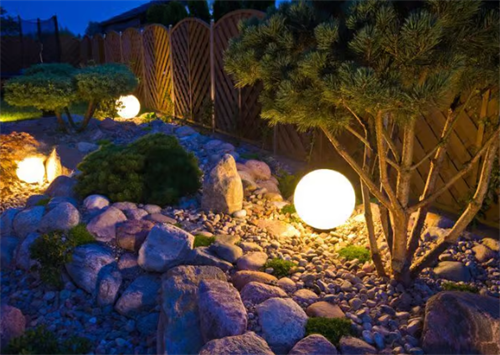
Small Garden Lighting Design: Creating Nighttime Atmosphere
A small garden during the day is a natural space where plants stretch and flowers bloom, but its nighttime charm often relies on carefully designed lighting to awaken it.