
Small Garden Lighting Design: Creating Nighttime Atmosphere
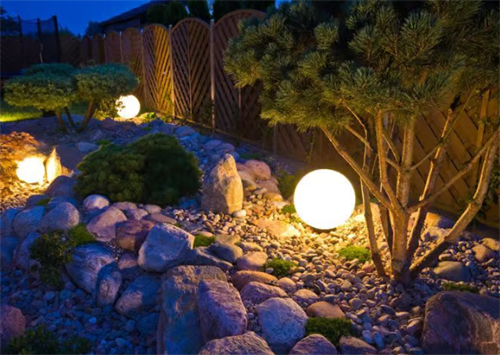
A small garden during the day is a natural space where plants stretch and flowers bloom, but its nighttime charm often relies on carefully designed lighting to awaken it. Unlike the complex layouts of large gardens, small garden lighting doesn’t need to be extravagant—simply highlighting key areas, using light to define layers, and enhancing the ambiance can transform even a compact space into a warm and romantic retreat at night.
1. Lighting Layout: Following the “Point, Line, and Surface” Principle
In a small garden, the limited space calls for a lighting design that stays clean and uncluttered.Following the “point, line, and surface” principle ensures orderly, layered illumination.
Surface lighting, as the base layer, can be achieved with simple ceiling or wall-mounted garden lights, installed at key points such as garden entrances or under pergolas. These provide soft, even light to ensure safe movement. Warm yellow light is recommended, with a color temperature of 2700K–3000K, to maintain a cozy nighttime atmosphere and avoid the harshness of cool white light.
Line lighting outlines spatial boundaries, such as embedding ground lights or LED strips along garden paths or flower bed edges. Choose ground lights with a waterproof rating of IP67 or above, angled upward at about 15°, illuminating the path while casting gentle light under plants. For short walls or fences, place low-voltage LED strips along the top to define edges at night and create a sense of expanded space.
Point lighting is key for creating focal points. Use spotlights or small floodlights to highlight standout elements, such as uniquely shaped potted plants, decorative ornaments, or water features. This draws the eye and prevents a flat, evenly lit appearance.
2. Choosing Fixtures: Balancing Functionality and Aesthetics
Small garden lighting should be both practical and decorative.Selecting fixtures tailored to each area guarantees both practical illumination and aesthetic harmony.
In relaxation areas, like beside outdoor tables and chairs, portable floor lamps or hanging pendant lights work well. Floor lamps made of wood or rattan with linen shades diffuse light softly, creating a cozy atmosphere for evening tea or conversation. Pendant lights above dining tables should be modest in size (20–30 cm in diameter) to avoid overwhelming the space, while warm light enhances both tableware and the dining experience.
Plant areas require lighting tailored to plant forms. For tall shrubs or small trees, uplights at the base cast light through branches and leaves, creating dappled patterns on walls or the ground. Low-growing herbaceous plants or succulents are better illuminated with small wall-mounted lamps, highlighting leaf textures and flower forms without harsh glare.
For water features, like small fish tanks or cascading water installations, waterproof underwater spotlights create shimmering reflections on the water’s surface, evoking the feeling of stars falling into the water and enriching the nighttime ambiance.
3. Attention to Detail: Creating Memorable Points with Light and Shadow
The charm of small garden lighting lies in thoughtful details. Use the interplay of light and objects to create unique memory points. For example, place a patterned wall lamp next to a vine-covered wall. The light casts intricate shadows on the wall and foliage, forming a natural “light mural.” In a garden corner, an LED candle inside a clay pot creates flickering warm light, evoking a peaceful rustic atmosphere without fire safety concerns.
Lighting design should also consider contrast between light and dark, avoiding uniform brightness that can feel monotonous. Keep main activity areas, such as relaxation spots or paths, well-lit, while slightly dimming plant background areas to create layers of focus and visual breathing space. Integrating smart controls allows adjustment of brightness and timing via a mobile app—soft light at dusk, reduced brightness at late night to save energy, and easy switching between different moods.
The essence of small garden lighting isn’t filling the space with light, but telling a story through light and shadow. By thoughtfully arranging fixtures and controlling details according to space layout and personal preference, a small garden can come alive at night, becoming a cozy, restorative corner. Whether walking alone or enjoying time with family, one can experience the beauty of the night through the fusion of light and nature.
RELATED GUIDES

Edible Flower Cultivation: Calendula, Lavender, and Pumpkin Blossoms
Edible flowers not only beautify the garden but also add unique flavors to the table, with calendula, lavender, and pumpkin blossoms among the most popular choices.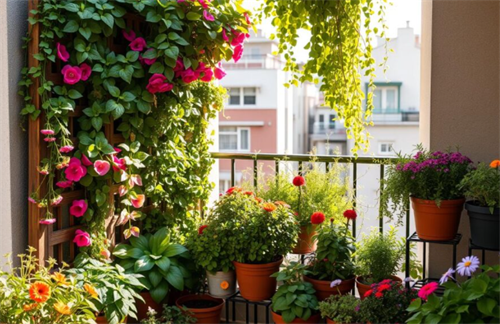
Balcony Garden Design: Big Harvest from a Small Space
In the concrete jungle of modern cities, the balcony serves as the only window connecting home life with nature.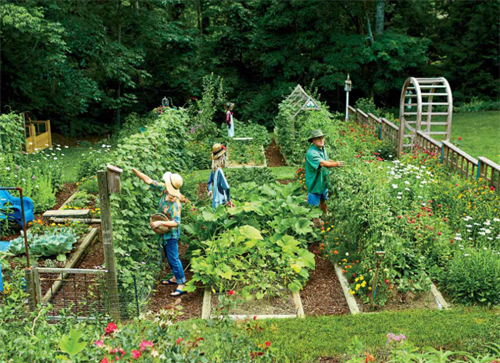
Home Vegetable Garden Planning: Fresh Vegetables All Year Round
With growing concerns over food safety, having a home vegetable garden and planting fresh produce by hand has become a lifestyle pursuit for many.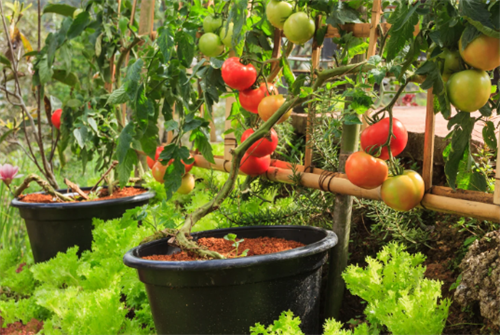
Potted Vegetable Growing Guide: Easy Tomatoes, Peppers, and Lettuce
Creating a small “mini garden” on your balcony or windowsill by growing tomatoes, peppers, and lettuce not only provides fresh ingredients but also brings the joy of gardening.