Succulent Plant Guide: Popular Varieties and Propagation Tips
Succulents, with their charming forms and easy care, have become the “new favorites” for balcony and desktop greenery. They come in a wide range of types, from petite, elegant varieties to bold, large specimens, and their simple propagation makes them accessible even to beginners. The following guide covers trending varieties and practical propagation techniques, offering a comprehensive approach to succulent care.
I. Popular Succulent Varieties: Classified by Form for Different Settings
1. Small Potted Varieties: Delicate and Compact, Ideal for Desktops and Windowsills
These succulents typically range from 5–15 cm in height, with plump, compact leaves, perfect for small pots on desks or windowsills:
Haworthia : Belonging to the lily family, these succulents have translucent leaves with “window” structures at the tips, appearing crystal-clear in light. They prefer cool, partially shaded environments and are best planted in shallow ceramic pots to highlight their fresh aesthetic.
Graptopetalum ‘Peach Egg’: A Crassulaceae succulent with rounded, peach-colored leaves. Under sufficient light, the color deepens, and its compact form requires minimal pruning. Suitable for single planting or cluster arrangements, it’s ideal for those focused on visual appeal.
Echeveria ‘Chihuahua’: The leaves arrange in a rosette with red-tinted tips, evoking the look of a blossoming lotus. Hardy and drought-tolerant, it thrives in sunlight with some summer shading, making it perfect for beginners.
2. Clustered Varieties: Dense Growth for a Full, Lush Look
Sedum ‘Himebiyo’ : Small oval leaves in green or blue-green, fast-growing and easily forming dense clusters. Ideal as a filler in mixed arrangements or as a green “carpet” in shallow pots.
String-of-Beads / Lover’s Tears: Hanging succulents with rounded or teardrop-shaped leaves, perfect for hanging pots where their trailing foliage creates a “green curtain,” ideal for balcony decor.
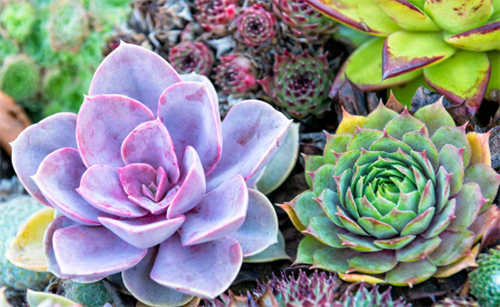
Echeveria ‘Purple Pearl’: Rosette-forming leaves with a gradient from light to deep purple. In clusters, they form a “purple sea of lotus,” and their color intensifies under strong light, best paired with white pots for visual impact.
3. Large Specimens: Bold Statement Plants for Courtyards and Balcony Corners
Aeonium Series (Black Aeonium, Purple Velvet): Large rosette-forming succulents with a striking presence. Black Aeonium has deep purple-black leaves, while Purple Velvet features velvety purple foliage, making them perfect as focal points at courtyard entrances or balcony corners.
Euphorbia ‘Jade Kirin’: Distinctive irregular palmate stems adorned with spines, reminiscent of a kirin’s scaled skin.Slow-growing and hardy in poor soil, suitable for experienced succulent enthusiasts seeking a standout specimen.
II. Succulent Propagation Techniques: Three Core Methods for Easy Multiplication
1. Leaf Cuttings: Simple and Suitable for Most Crassulaceae Succulents
Choose Leaves: Pick healthy, fully developed leaves free from damage. Carefully detach them from the mother plant, preserving the leaf base, and allow them to dry in a shaded, airy spot for 1–2 days until the cut end forms a callus.
Planting: Prepare loose, well-aerated soil (4 parts peat, 2 parts perlite, 2 parts vermiculite). Lay the leaves on top and lightly press the base to make contact with the soil without burying it. Position in indirect light and maintain lightly moist soil.
Care: Within 1–2 weeks, small shoots and roots will emerge from the leaf base. Gradually increase light, and when the shoots reach 2–3 cm, transplant them into individual pots.
2. Stem Cuttings: Ideal for Leggy or Stemmed Varieties, High Success Rate
Prune: Cut healthy stems 5–10 cm long, leaving top leaves and removing lower leaves. Treat the cut with a fungicide and allow it to dry for 2–3 days.
Planting: Push the stems into the soil to a depth of about one-third of their length.Press the soil gently, place in indirect light, and maintain slight moisture.
Rooting: Roots appear in 2–3 weeks. Increase light gradually, and once new leaves emerge, the cutting is established and can be cared for normally.
3. Division: Quick Mature Plants for Cluster-Forming Varieties
Separate Plants: Remove the clustered succulent from its pot, gently shake off soil, and separate offsets with roots intact.
Disinfect and Transplant: Apply fungicide to cut surfaces, let dry for a day, and plant in prepared pots, covering roots without burying leaves or growth points.
Acclimate: Place in indirect light, water once to settle, then keep soil slightly moist. After about a week, plants adjust and can resume normal watering and light exposure.
The key to succulent care is “less water, good ventilation, and appropriate light,” while propagation adds to the joy of nurturing these plants. Whether decorating a desk with cute small varieties or creating a striking courtyard display with large specimens, mastering variety traits and propagation techniques ensures a thriving succulent collection, bringing a charming touch of greenery to life.
RELATED GUIDES
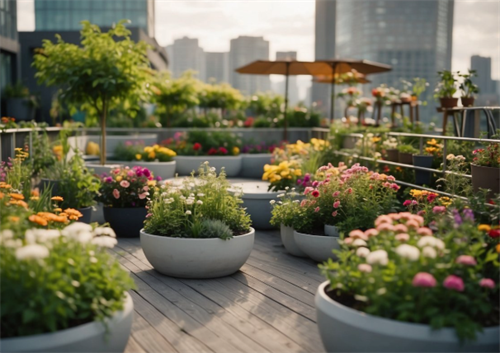
Rooftop Garden Construction Guide: Structural Safety and Plant Selection
In concrete-dominated cities, rooftop gardens have become vital spaces for connecting with nature and improving living environments.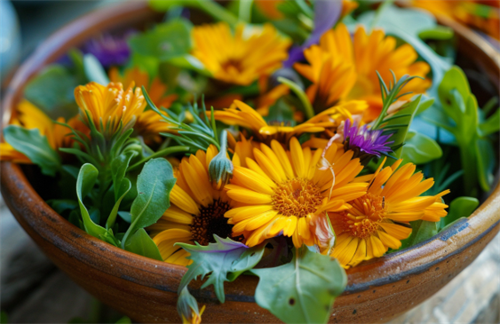
Edible Flower Cultivation: Calendula, Lavender, and Pumpkin Blossoms
Edible flowers not only beautify the garden but also add unique flavors to the table, with calendula, lavender, and pumpkin blossoms among the most popular choices.
Garden Path Design Inspiration: Choosing Stone, Wood, and Gravel
Garden paths act as the “lifelines” linking key features and as a “language” expressing the garden’s personality.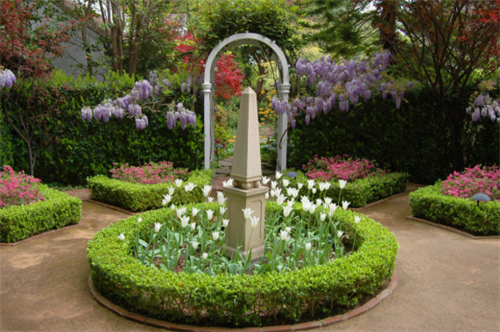
Garden Focal Point Design: Sculptures, Flower Beds, and Decorative Elements
In garden design, focal elements are like the soul of the space—they instantly capture the eye, guide the visitor’s path, and transform an ordinary green corner into a layered setting with a sense of story.