Indoor Plant Selection and Care: Low-Maintenance Varieties for the Home
In today’s fast-paced lifestyle, many people long to bring vitality into their homes with indoor greenery but worry about not having the time to care for it. In fact, by choosing the right low-maintenance varieties and mastering a few basic care techniques, even beginners can create a lush indoor space. Low-maintenance plants not only purify the air and regulate humidity but also provide lasting beauty while minimizing upkeep.
I. Criteria for Selecting Low-Maintenance Indoor Plants
When choosing low-maintenance plants for the home, focus on three core traits. The first is adaptability: opt for species that can tolerate fluctuating indoor light and temperature, avoiding those prone to damage from sudden changes. The second is drought tolerance: these plants typically have thick leaves or robust roots that store water, so they won’t wither easily if you forget to water them occasionally. The third is resistance to pests and diseases: low-maintenance plants usually have strong natural defenses, reducing the need for pesticides and making them healthier for the household.
II. Five Recommended Low-Maintenance Houseplants
1. Golden Pothos: The Versatile “Air Purifier”
Golden pothos is the quintessential beginner’s plant, thriving in both water and soil. It tolerates low light, making it ideal for dim living rooms or hallways. Watering once a week is enough, with slightly more in summer. Its trailing vines can hang naturally or climb supports, making it a decorative choice for bookshelves and windowsills. In addition, it absorbs harmful gases like formaldehyde and benzene, effectively purifying the air.
2. Succulents: The Cute “Lazy Gardener’s Plant”
With their plump leaves and diverse shapes, succulents such as Haworthia, Graptopetalum, and “Bear’s Paw” are popular low-maintenance options. Exceptionally drought-tolerant, they only need watering every 10–15 days, following the “soak and dry” method to avoid root rot. Succulents thrive in bright light, best placed on a south-facing windowsill or balcony. In summer, they need some shading, and in winter, they should be kept above 5°C to survive safely.
3. Snake Plant: The Hardy “Style Statement”
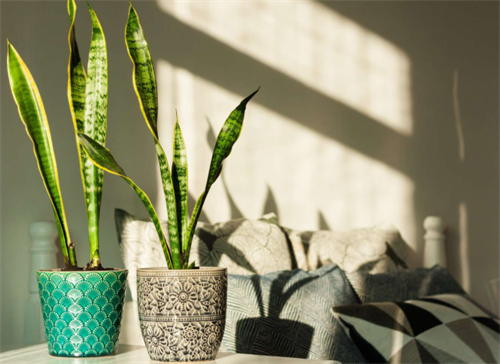
Snake plants feature upright leaves with striking variegation, combining beauty with functionality. Highly adaptable, they grow well in bright living rooms but also tolerate dim bathrooms. Extremely drought-resistant, they require watering only once every 2–3 weeks. Snake plants also absorb indoor toxins and release oxygen at night, making them an excellent choice for bedrooms to support restful sleep.
4. Monstera: The Large “Low-Maintenance Showpiece”
For households that love big leafy plants, monstera is an excellent choice. Its broad, uniquely split leaves instantly enhance home décor while being easy to maintain. It prefers warm, humid conditions but tolerates drought well, requiring watering only once every 1–2 weeks. Minimal pruning is needed. However, its sap is toxic, so families with children or pets should ensure they do not touch it.
5. Air Plant: The Soil-Free “Wonder Plant”
Perhaps the most unusual low-maintenance plant, air plants grow without soil and survive with just occasional misting. Compact and versatile, they can be displayed with shells, stones, or creative containers on desks and windowsills. To care for them, mist with water 2–3 times a week and avoid direct sunlight immediately afterward to prevent leaf rot. Good ventilation is key to preventing damage from heat or excess humidity.
III. General Care Tips for Low-Maintenance Plants
Regardless of which variety you choose, applying a few universal tips ensures healthier growth. First, follow proper watering practices: most low-maintenance plants prefer dry to moist conditions, so water only after the soil surface has dried, avoiding excess water in the pot. Second, manage light wisely: place sun-loving plants on south-facing balconies or windowsills, and put shade-tolerant plants in dimmer spaces like living rooms or hallways. Lastly, maintain proper temperatures: most indoor plants grow best at 15–25°C. In winter, keep them above 10°C, and in summer, provide shade and cooling to prevent leaf scorch.
Choosing low-maintenance houseplants not only adds vitality and beauty to your home but also allows you to enjoy the pleasures of gardening without stress. By selecting varieties suited to your living environment and applying simple care techniques, even complete beginners can cultivate a vibrant indoor green space.
RELATED GUIDES
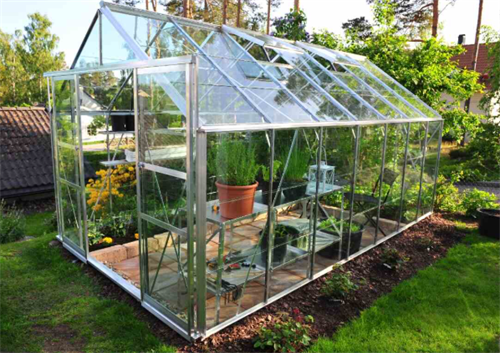
Mini Greenhouse Building Guide: Extend Your Growing Season
For gardening enthusiasts, seasonal changes often mean interruptions in planting—seedlings risk being damaged by late spring frosts, while autumn frosts can cut the growing season short.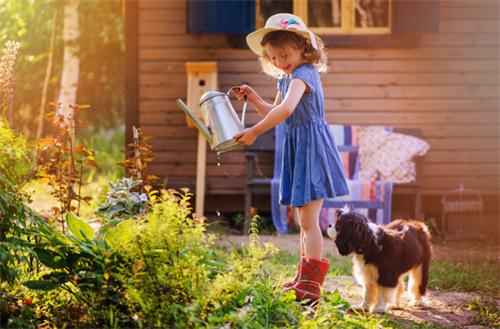
Child-Friendly Garden: Helping Children Fall in Love with Nature
In the concrete jungle of the city, creating a “child-friendly garden” for kids not only allows them to touch soil and observe plants, but also nurtures a love for nature and a spirit of exploration.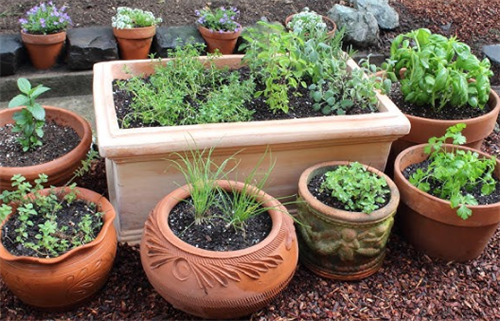
Herbal Garden at Home: Cultivating and Using Mint, Aloe Vera, and Echinacea
Creating a small herbal garden at home allows you to enjoy the vitality of green plants while harvesting natural “medicinal ingredients.”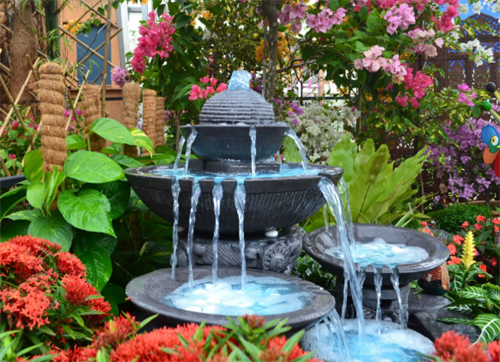
Water Feature Gardens: Creating Ponds, Fountains, and Flowing Water Installations
Water is the “soul” of a garden. A well-planned water feature can breathe life into a courtyard—be it the still reflection of a pond, the lively rhythm of a fountain, or the gentle melody of flowing water, each brings its own unique appeal.