Water Feature Gardens: Creating Ponds, Fountains, and Flowing Water Installations
Water is the “soul” of a garden. A well-planned water feature can breathe life into a courtyard—be it the still reflection of a pond, the lively rhythm of a fountain, or the gentle melody of flowing water, each brings its own unique appeal. Building a water feature garden does not require large scale; by considering space, style, and detail, water can harmonize with plants and architecture to create a natural setting that can be seen, heard, and felt.
1. Ponds: Shaping an Ecological “Mirror of Water”
Irregular, curved forms feel closer to nature and pair beautifully with shoreline plants like reeds and cattails. For modern garden styles, circular or square geometric outlines with clean stone edging work well. Depth should be kept between 60–120 cm: shallow zones can host water lilies and pondweeds, while deeper areas can accommodate koi or minnows, forming an ecological scene of “fish below, flowers above.”
For materials, beginners can use EVA pond liners, which are flexible, easy to install, and cost-effective. For greater durability and aesthetic appeal, concrete structures faced with faux-stone tiles or cultured stone integrate well with surrounding landscapes. It’s also important to leave a 10–15 cm “buffer zone” around the pond edge to plant moisture-loving species such as hostas or coral bells. This softens the pond’s border, conceals liner edges, and reduces the risk of slipping.
For upkeep, install a small filtration system and clear fallen leaves regularly. In summer, floating plants like duckweed or water hyacinth help block sunlight, suppress algae, and keep water clear.
2. Fountains: Bringing Energy and Motion to the Space
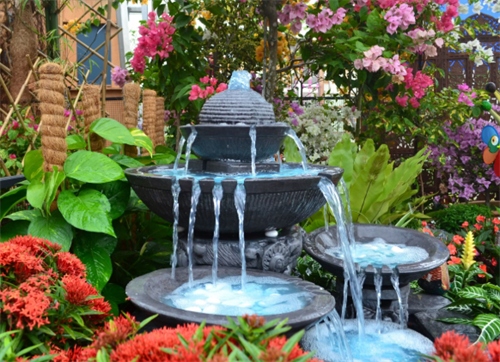
Fountains fall into two main categories: freestanding and tabletop. Freestanding fountains suit garden centers or corners—for example, a vintage bronze European-style fountain paired with roses creates romantic flair, while a Japanese bamboo spout with pebbles and moss offers a tranquil, Zen-like mood. Tabletop fountains are compact, perfect for terraces, balconies, or low garden walls. They can even be paired with glass aquariums for creative “spray above, fish below” designs—ideal for small gardens.
When choosing a fountain, consider pump power and water effects. For a soft, dreamy mood, select low-pressure modes like bubbling jets or mist sprays, complemented by warm garden lights for a cozy nighttime glow. For a lively atmosphere, options like floral jets or rotating sprays create varied water heights and pair well with colorful light strips for a playful evening display. Fountains should be refreshed with clean water regularly to prevent scale buildup in nozzles, and pumps must be removed and stored in winter to avoid frost damage.
3. Flowing Water Installations: Linking Spaces with “Linear Water Features”
Common flowing water designs include two forms. The first is cascading stone streams, where natural bluestone or yellow wax rock is stacked to form varied levels. Water spills from the top, trickles down stone surfaces, and collects in a shallow basin with aquatic plants, evoking the essence of a mountain brook—ideal for Chinese or Japanese gardens.
The second is linear water channels, made from stainless steel, stone, or resin, designed as narrow troughs with water flowing evenly along the surface. These can be embedded alongside garden walkways or at the base of landscape walls. For instance, a sleek black stainless-steel channel paired with white gravel enhances the elegance of a modern minimalist courtyard.
Designers should also control flow speed and sound. For gentle water sounds, reduce slope and flow volume; for a more dynamic auditory experience, add elevation drops or pebbles in the channel so the water strikes them, producing crisp splashes. Flowing water features should recycle water via concealed pipes and pumps, conserving resources and minimizing refills.
The essence of a water feature garden lies in harmony between water and its surroundings: ponds integrate ecology, fountains energize space, and flowing installations connect landscapes. Whatever form is chosen, aligning with the garden’s overall style, size, and personal preferences ensures that water’s “stillness and motion” and “form and sound” resonate together, creating a poetic sanctuary where one can relax and reconnect with nature.
RELATED GUIDES
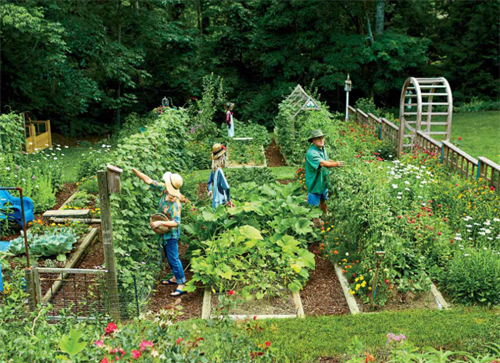
Home Vegetable Garden Planning: Fresh Vegetables All Year Round
With growing concerns over food safety, having a home vegetable garden and planting fresh produce by hand has become a lifestyle pursuit for many.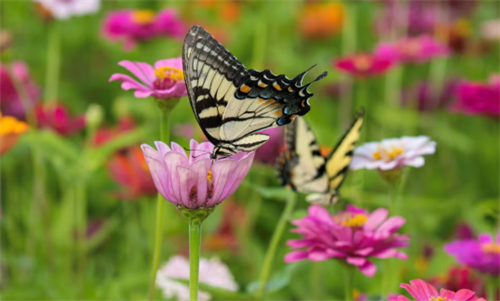
Wildflower Garden: Plant Choices to Attract Bees and Butterflies
A wildflower garden is not a “neglected” space; rather, it mimics natural ecosystems by planting species that are friendly to pollinators like bees and butterflies, creating a green area that combines ecological value with natural beauty.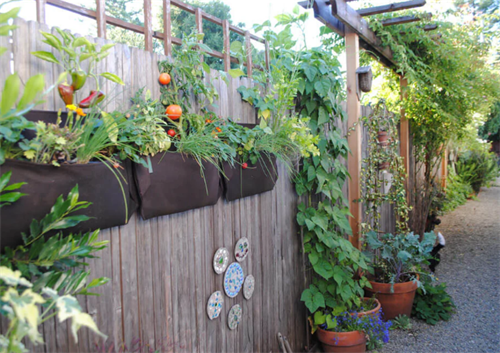
Vertical Garden Ideas: Making the Most of Walls and Frames
As urban spaces grow increasingly compact, “bringing greenery into the air” has become a new gardening trend.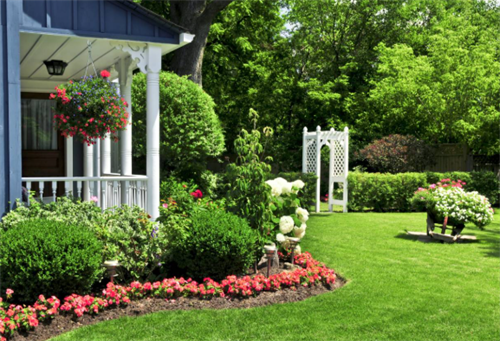
Low-Maintenance Garden Design: Solutions for Busy Professionals
For busy office workers, the desire to enjoy a lush, green garden often collides with the lack of time for upkeep.