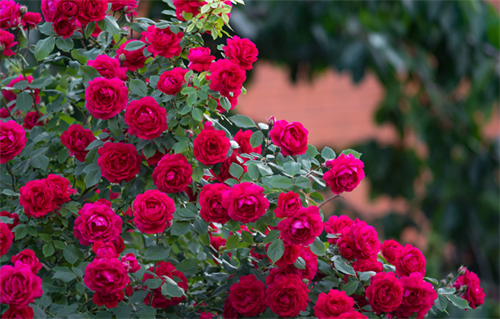
Garden Focal Point Design: Sculptures, Flower Beds, and Decorative Elements
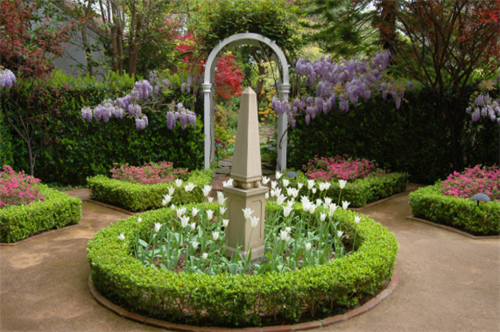
In garden design, focal elements are like the soul of the space—they instantly capture the eye, guide the visitor’s path, and transform an ordinary green corner into a layered setting with a sense of story. Whether it’s a timeless sculpture, a vibrant flower bed, or a delicate decorative feature, when thoughtfully applied, each can infuse the garden with unique character. The following explores three core focal elements and offers practical design approaches to help you create a striking garden space.
1. Sculptures: Anchoring the Garden with Artistic Presence
Sculptures are the most commanding focal points in a garden. Their material, form, and style directly shape the overall atmosphere. When choosing sculptures, consider the garden’s size and theme: small courtyards are better suited to pieces under 1.2 meters, such as cast-iron rabbits or sandstone angels, which avoid overwhelming the space; Expansive gardens are well-suited to abstract metal sculptures taller than 3 meters, where strong, clean lines provide a striking counterpoint to the gentle forms of surrounding vegetation.
Placement is equally critical. Positioning a sculpture at the end of a central axis—such as at the end of a path or beside a water feature—creates strong visual guidance. In irregular layouts, setting a piece at a corner, framed by low shrubs, produces the effect of a “surprise around the bend.” Harmony is enhanced when materials echo the surroundings: wooden sculptures pair beautifully with climbing roses and ferns for a natural look, while stainless steel works well with geometric flower beds in modern gardens for a sleek, refined feel. To avoid clutter, limit the core area of the garden to just one or two major sculptures.
2. Flower Beds: Creating Visual Centers with Color and Layers
Flower beds bring vitality to a garden, using plant colors, heights, and blooming cycles to create dynamic beauty throughout the seasons. The first step in design is to set a “main color theme.” For a tranquil mood, choose blue and purple blooms like lavender and salvia, complemented by white daisies. For a lively, energetic effect, combine orange zinnias, red geraniums, and yellow coreopsis.
Layering is the key technique. Following the principle of “low in front, tall in back,” plant petunias and pansies (10–20 cm) in the front row, hydrangeas and dahlias (40–60 cm) in the middle, and hollyhocks or sunflowers (1–1.5 m) as a backdrop. This creates a three-dimensional visual effect. Beds designed in soft shapes such as circles or arcs, paired with stone pathways, invite visitors to wander and admire—making the flower bed not only a visual centerpiece but also a “moving landscape” within the garden.
3. Decorative Elements: Illuminating Corners with Detail
Beyond sculptures and flower beds, small decorative elements can subtly enhance refinement and serve as unexpected highlights. Common features include wind chimes, solar lights, ceramic planters, and pebble paths, with the guiding principle being “blend with the environment, highlight character.”
For instance, a metal wind chime hung beneath a pergola draped in vines can catch the breeze, producing a crisp, soothing sound that pairs with the fragrance of roses and jasmine for a layered sensory experience. Along the edges of flower beds, assorted ceramic pots filled with succulents or herbs can brighten unused corners with a touch of warmth and life. After nightfall, solar garden lights tracing the pathways cast soft, dappled patterns through the foliage, enveloping the garden in a serene and inviting glow. Style consistency is essential: rustic gardens work best with wood and ceramic accents, while modern designs are enhanced by metal and glass. Mixing styles risks breaking the harmony of the overall design.
Garden focal point design is not about piling up individual elements, but about the organic integration of sculptures, flower beds, and decorative details—making every corner expressive and full of life. Whether for a large landscape or a small courtyard, identifying the core focal points while balancing beauty with practicality will transform the garden into an ideal retreat for relaxation and enjoyment of nature.
RELATED GUIDES
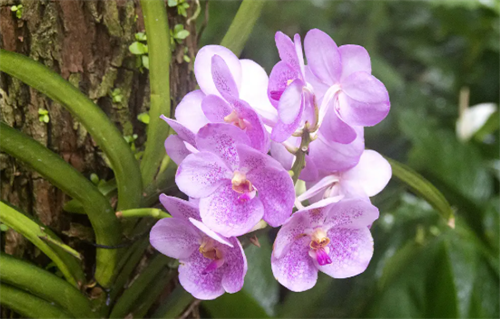
Orchid Care Guide: Key Points on Humidity, Light, and Watering
Orchids, cherished for their elegant blooms and delicate fragrance, are highly prized by gardening enthusiasts.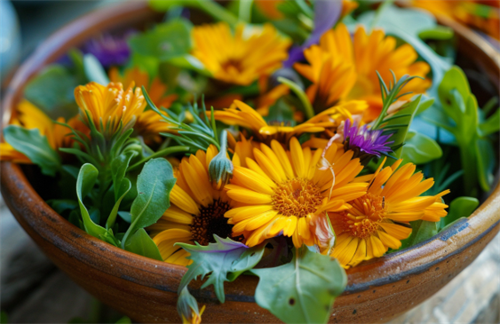
Edible Flower Cultivation: Calendula, Lavender, and Pumpkin Blossoms
Edible flowers not only beautify the garden but also add unique flavors to the table, with calendula, lavender, and pumpkin blossoms among the most popular choices.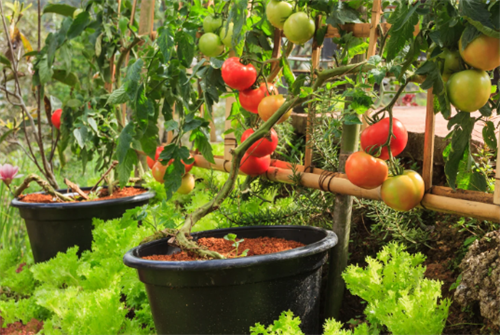
Potted Vegetable Growing Guide: Easy Tomatoes, Peppers, and Lettuce
Creating a small “mini garden” on your balcony or windowsill by growing tomatoes, peppers, and lettuce not only provides fresh ingredients but also brings the joy of gardening.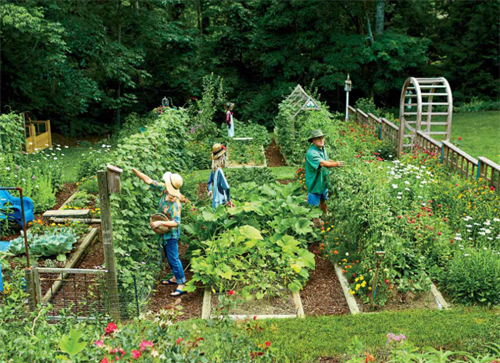
Home Vegetable Garden Planning: Fresh Vegetables All Year Round
With growing concerns over food safety, having a home vegetable garden and planting fresh produce by hand has become a lifestyle pursuit for many.