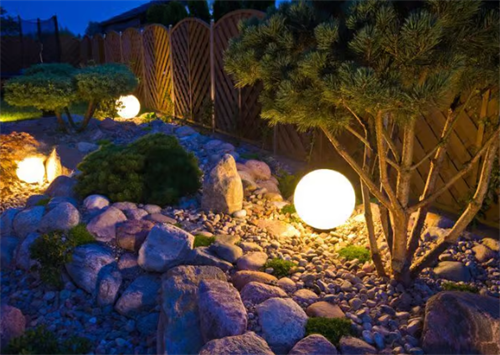
Edible Flower Cultivation: Calendula, Lavender, and Pumpkin Blossoms
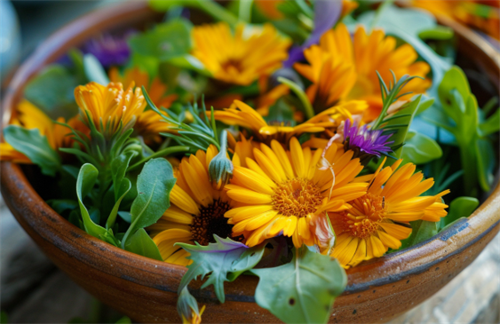
Edible flowers not only beautify the garden but also add unique flavors to the table, with calendula, lavender, and pumpkin blossoms among the most popular choices. Each of these flowers has distinct growth habits, so cultivation must align with their characteristics to ensure safe, flavorful blooms.
1. Preparation: Choosing the Right Environment and Soil
Edible flowers require careful attention to growing conditions and soil preparation. Calendula thrives in warm, sunny locations with good ventilation, tolerates poor soil but not waterlogging, and grows best in loose, well-draining neutral sandy loam enriched with composted organic fertilizer. Lavender prefers a cool, dry environment with 6–8 hours of sunlight daily and well-draining, slightly alkaline sandy loam; heavy clay soils should be avoided to prevent root rot. Pumpkin blossoms, being vining plants, need ample space, full sun, and deep, fertile soil; prior to planting, the soil should be deeply tilled and supplemented with farmyard compost.
Planting times vary by species: calendula is suitable for spring and autumn sowing (March–April and September–October); lavender is best planted in spring when temperatures stabilize at 15–20°C; pumpkin blossoms should be sown in spring when temperatures exceed 18°C—earlier in February–March in southern regions and later in April–May in northern areas.
2. Daily Care: Watering, Fertilizing, and Pruning
Proper water and nutrient management, along with timely pruning, are key to daily care. Calendula is drought-tolerant; water according to the “dry-to-wet” principle, apply a diluted liquid fertilizer monthly during growth, and supplement with phosphorus-potassium fertilizer during flowering to encourage full blooms. Lavender should not be overwatered; allow the soil surface to dry before watering and apply a low-nitrogen, high-phosphorus-potassium fertilizer every 2–3 weeks to prevent excessive vegetative growth. Pumpkin blossoms require more water, especially during flowering and fruiting; maintain consistently moist soil and apply compost tea weekly to support vine and flower development.
For pruning: pinch young calendula seedlings to promote branching and more flowers; Prune lavender stems after flowering, keeping 10–15 cm of the lower portion to promote new growth; guide pumpkin vines along trellises, cut back excess side shoots to channel energy to the main stem, and selectively remove certain male flowers to enhance fruit development on female flowers.
3. Harvesting and Consumption: Ensuring Safety and Flavor
The timing of harvest directly affects taste and safety. Harvest calendula when the blooms are fully open and vividly colored, choosing healthy flowers free from pests; trim away the calyx and stamens, retaining only the petals. Lavender is best harvested when lower flowers on the spike are open and upper buds are full, ideally on sunny mornings between 9–10 a.m. for optimal fragrance. Pumpkin blossoms should be picked fresh on the day they open; harvest male flowers and leave female flowers for fruit development, taking care not to damage the vines.
Before consumption, flowers must be thoroughly washed. Calendula petals can be eaten raw in salads or dried for tea; lavender can be used in teas, baked goods, or for essential oil extraction—use sparingly to avoid overpowering aroma; Pumpkin flowers are delicate and can be lightly blanched and chilled, scrambled with eggs, or coated and fried, ensuring the blossoms remain intact to retain their nutrients.Always ensure edible flowers are sourced safely, avoiding blooms exposed to pesticides, and try small amounts initially to check for allergic reactions.
Growing calendula, lavender, and pumpkin blossoms is both a culinary and gardening experience. By following proper cultivation and care techniques, these edible flowers can bring natural flavor and vibrant color to your life.
RELATED GUIDES
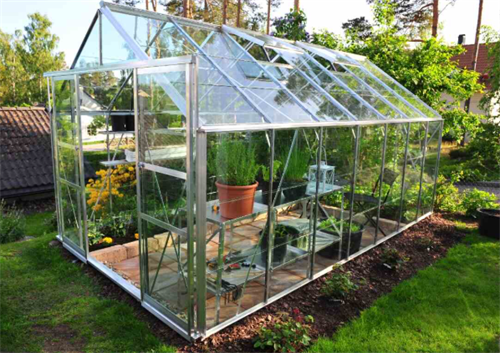
Mini Greenhouse Building Guide: Extend Your Growing Season
For gardening enthusiasts, seasonal changes often mean interruptions in planting—seedlings risk being damaged by late spring frosts, while autumn frosts can cut the growing season short.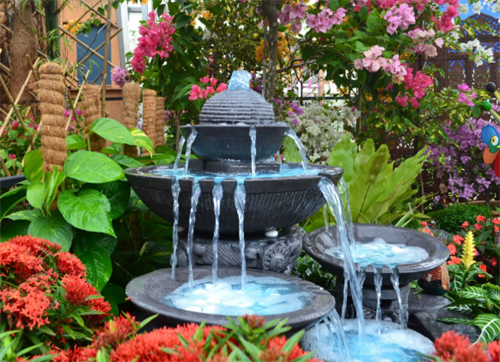
Water Feature Gardens: Creating Ponds, Fountains, and Flowing Water Installations
Water is the “soul” of a garden. A well-planned water feature can breathe life into a courtyard—be it the still reflection of a pond, the lively rhythm of a fountain, or the gentle melody of flowing water, each brings its own unique appeal.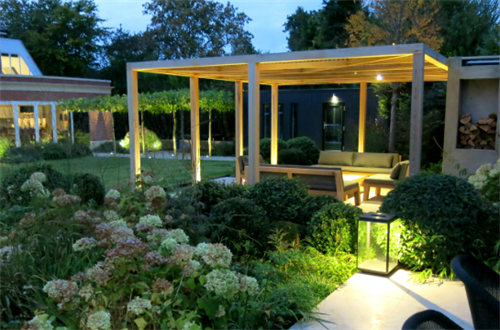
Garden Zoning Techniques: Planning Leisure Areas, Planting Zones, and Pathways
Regardless of a garden’s size, thoughtful zoning is key to maximizing space efficiency and enhancing the overall experience.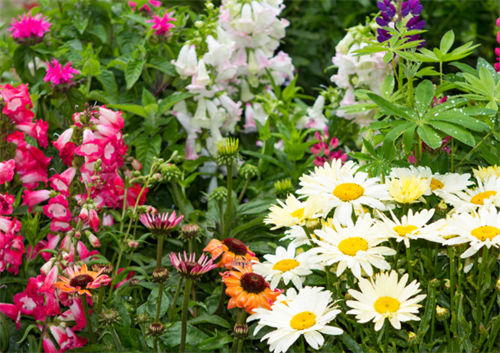
Combination Strategies for Perennials and Annuals
In garden planting design, perennials and annuals are like “long-term partners” and “short-term guests,” each with its own advantages.