Combination Strategies for Perennials and Annuals
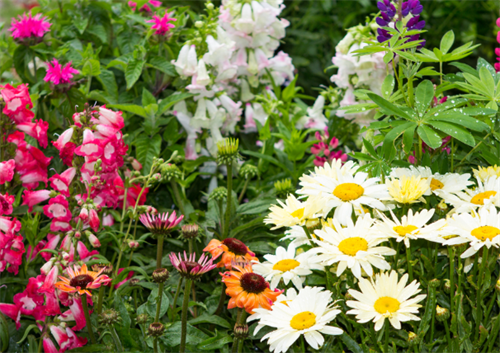
In garden planting design, perennials and annuals are like “long-term partners” and “short-term guests,” each with its own advantages. Perennials don’t need replanting every year—their roots are well established, and they grow fuller over time, forming the garden’s “stable framework.” Annuals, on the other hand, bloom profusely in vibrant colors, quickly filling gaps and flexibly adjusting the garden’s style. Mastering the combination of the two not only reduces maintenance costs but also keeps the garden lively throughout the year, avoiding “seasonal blanks” or “monotony of style.”
1. Bloom Time Complementarity: Filling Perennials’ “Gaps” with Annuals
Most perennials have fixed, concentrated blooming periods (e.g., peonies bloom only for a month in spring, daylilies for 2–3 months in summer). Outside those periods, they risk long stretches of “all leaves, no flowers.” Planting annuals with staggered bloom times alongside them ensures “flowers in all seasons.”
In spring, annuals such as petunias or pansies can be planted around late-blooming perennials like asters or blanket flowers. Pansies flower from early spring into early summer, their purple and yellow blossoms covering bare soil at the base of perennials for a neater look. By summer, as perennials thrive, the pansies naturally wither, leaving the main display unaffected.
In autumn, annuals like marigolds and cosmos can accompany perennials that have finished their spring bloom, such as irises or tulips. From late summer through frost, marigolds brighten the garden with vivid orange and yellow blooms that infuse autumn with vitality. Against this lively display, the lush green foliage of perennials serves as a backdrop, forming a balanced “green canvas with golden accents.”
2. Layering: Using Annuals to Strengthen Perennials’ “Sense of Space”
Perennials typically maintain consistent growth heights—for instance, hostas reach about 30–50 cm, while hollyhocks can grow as tall as 1.5–2 meters.Planted alone, they may look flat, but pairing them with annuals of different heights creates a dynamic, layered landscape.
For low-growing perennials such as creeping phlox or sedums, add taller annuals like zinnias or ornamental kale behind them. Zinnias can grow up to 1–1.2 meters, with striking red and pink blossoms that create a vivid backdrop, while low-growing perennials spread across the ground, together forming a layered composition of “groundcover plus mid-height blooms.” This combination works well at garden edges or in the back rows of flower borders.
For tall perennials like hollyhocks or foxgloves, plant low-growing annuals such as petunias or portulaca in front. Portulaca grows only 10–20 cm tall but comes in a wide range of colors (red, yellow, pink, white). It fills in the empty space at the base of tall plants, preventing bare soil while creating a “tall background + low foreground” effect, perfect for courtyards or along walkways.
3. Style Harmony: Using Annuals to Echo Perennials’ “Main Theme”
Maintaining stylistic unity is essential in garden design. If the perennials set the overall tone (e.g., the romance of an English garden or the simplicity of a Japanese garden), annuals should complement that theme rather than conflict with it.
For an English-style garden with roses, hydrangeas, or lavender, pair romantic annuals such as poppies or cornflowers. Poppies, with their delicate petals and soft hues (pink, white, orange), balance the richness of roses when planted among them, enhancing the garden’s natural charm.
For a Japanese-style garden featuring moss, irises, or maples, choose understated annuals such as white daisies or blue flax. Small white daisies paired with green moss emphasize the garden’s tranquility. Blue flax, with its slender form, won’t overshadow perennials, while its cool-toned blossoms create a gentle contrast with the red foliage of maples, preserving the garden’s meditative atmosphere.
4. Maintenance Compatibility: Matching Growth Needs to Reduce Effort
If perennials and annuals differ too much in growth requirements (light, water, soil), maintenance becomes difficult. Choosing plants with similar preferences helps simplify care.
Sun-loving, drought-tolerant combinations work well in bright, dry areas: pair perennials like sedum or lavender with annuals such as portulaca or cosmos. All four thrive in full sun and tolerate drought, requiring little watering—just once a week in peak summer—making them ideal for sunny courtyards or rooftop gardens.
Shade- and moisture-loving combinations suit spots under trees or near water features: pair perennials like hostas or ferns with annuals such as impatiens or New Guinea impatiens. Both perennials and annuals tolerate shade and prefer moist soil, thriving together by ponds or in shaded corners, avoiding problems from mismatched needs.
In essence, combining perennials and annuals follows the principle of “perennials as the framework, annuals as the accents.” This approach preserves the structure and reliability of perennials while leveraging the flexibility of annuals, balancing bloom time, layering, style, and maintenance for a garden that remains vibrant year-round.
RELATED GUIDES
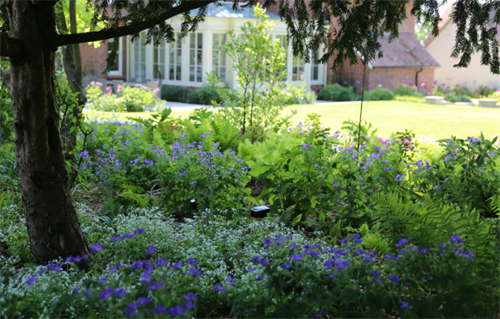
Shade-Tolerant Plant Selection: Ideal Species for Low-Light Areas
Indoor north-facing rooms, corridor corners, or outdoor shaded spots behind trees or buildings often lack sufficient light, making plant growth challenging.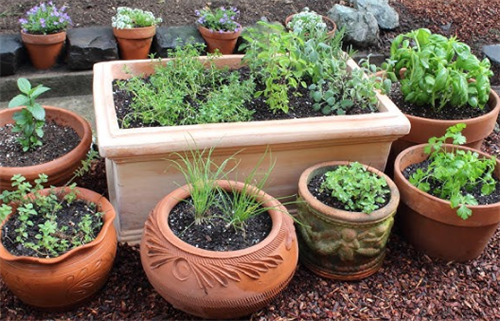
Herbal Garden at Home: Cultivating and Using Mint, Aloe Vera, and Echinacea
Creating a small herbal garden at home allows you to enjoy the vitality of green plants while harvesting natural “medicinal ingredients.”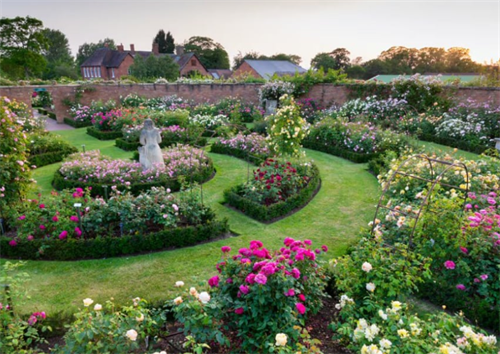
Color Matching Techniques: Enhancing Garden Aesthetics Through Plant Colors
The colors of plants serve as the “palette” of garden aesthetics. Different hues of flowers, foliage, and fruits can impart entirely different moods—fresh and elegant, vibrant and lively, or calm and serene.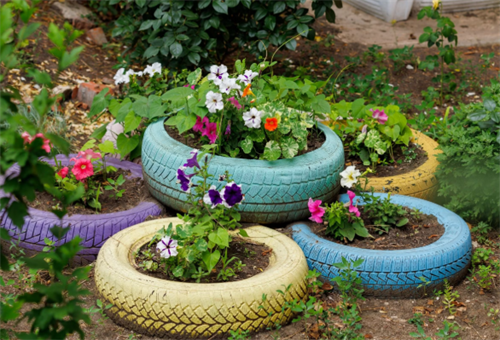
Low-Cost Garden Makeover: Creative Décor with Upcycled Items
Everyday discarded items, with a touch of creativity, can be transformed into unique decorative elements that are both eco-friendly and full of character.