Vertical Garden Ideas: Making the Most of Walls and Frames
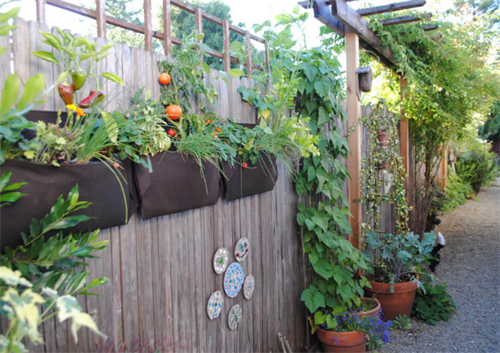
As urban spaces grow increasingly compact, “bringing greenery into the air” has become a new gardening trend. Vertical gardens break the traditional dependence on ground space—whether it’s a blank wall, a balcony frame, or a fence, with clever design techniques, vertical space can be transformed into a lush landscape. This not only saves floor area but also adds a touch of nature to the home, realizing the gardening dream of “big greenery in small spaces.”
1. Wall Utilization: Turning Blank Walls into “Living Green Carpets”
For strong load-bearing walls (such as brick or concrete), modular planting boxes can be installed. Rectangular boxes made of plastic or treated wood can be arranged in staggered patterns and filled with loose, breathable soil (a 2:2:1 mix of garden soil, leaf mold, and perlite). These are suitable for small foliage plants (like pothos, ivy), succulents (like string of pearls, haworthia), or dwarf flowers (like petunias, kalanchoe). For a minimalist style, install a wall grid to hang potted plants or let climbing plants (like Boston ivy, wisteria) grow along it, creating a natural “green screen.”
For lighter, less load-bearing walls (such as gypsum board or wood panels), wall-mounted pots or hanging bags are recommended. Lightweight plastic or fabric planters can be fixed with adhesive hooks to avoid wall damage. These are ideal for shallow-rooted plants (like spider plants, air plants, or nerve plants), reducing wall strain while creating a lively hanging display. Upcycled materials such as glass bottles or tin cans can also be mounted as small planters for succulents or herbs (like mint, basil), blending creativity with sustainability.
2. Frame Design: Flexible “Green Corridors in the Air”
Freestanding frames suit open spaces like courtyards and balconies. Options include metal cone-shaped frames, wooden ladder frames, or DIY triangular frames made from bamboo poles or PVC pipes. These are sturdy and perfect for climbing plants (like grapes, kiwi, loofah), whose vines grow along the structure to form an “aerial green corridor” that provides summer shade and autumn harvests. For example, placing a 1.5-meter-tall cone-shaped frame on a balcony and planting wisteria will, in spring, create cascading purple blooms that are both ornamental and functional.
Attached frames make use of existing structures such as balcony railings, fences, or security grilles. U-shaped hooks can be secured to railings to hang pots, or multi-layered shelves can be mounted on the outside of fences to hold planters. These setups are suitable for shade-tolerant plants (like hydrangea, heuchera, ferns), turning plain barriers from “simple protection” into “green scenery” while saving costs.
Foldable frames are ideal for small apartments. Made of metal or wood, they can be folded away when not in use. With tiered shelves holding 2–3 small pots per level (succulents, miniature roses, etc.), they fit perfectly on windowsills or balcony corners to create a “mini vertical garden,” with plants that can be rotated seasonally for a fresh look.
3. Plant Combinations: Choosing Varieties for Layered Landscapes
When planting on walls or frames, prioritize plants that are “adaptable and easy to care for”:
Climbers (such as ivy, pothos, morning glory) grow quickly and cover structures fast.
Trailing plants (like spider plants, string of pearls, string of hearts) cascade gracefully, adding movement.
Small foliage plants (like nerve plants, peperomia, pilea) provide rich textures and colors, filling boxes or pots with detail.
For functionality as well as beauty, walls and frames can also host herbs (like mint, rosemary) or dwarf edible crops (like strawberries, cherry tomatoes), combining ornamental value with fresh harvests.
For visual design, aim for “layered heights and balanced colors”:
Upper levels: climbers or tall plants (like wisteria, bougainvillea).
Middle levels: medium foliage plants (like monstera, philodendron ‘Xanadu’).
Lower levels: succulents or small flowers (like succulent mixes, dwarf petunias).
In terms of color, keep green as the base, accented with small amounts of vibrant plants (like the red fiddle-leaf fig or purple tradescantia). Avoid excessive variety to maintain harmony.
Vertical gardens are more than just a gardening method—they’re a form of living aesthetics. With the right use of space, thoughtful design, and plant selection, vertical spaces can flourish with greenery, bringing natural vitality into the home environment.
RELATED GUIDES
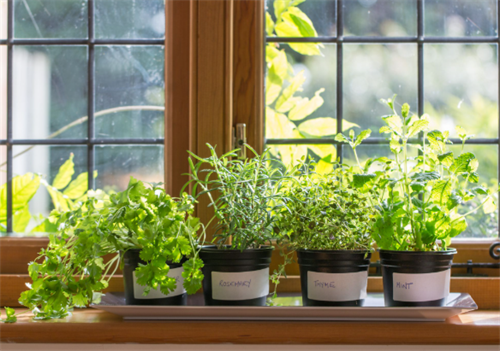
Herb Garden Design: A Home Growing Guide for Culinary Herbs
Creating a herb garden on the kitchen windowsill, balcony, or in a corner of the yard not only adds refreshing greenery but also provides fresh herbs to enhance everyday dishes.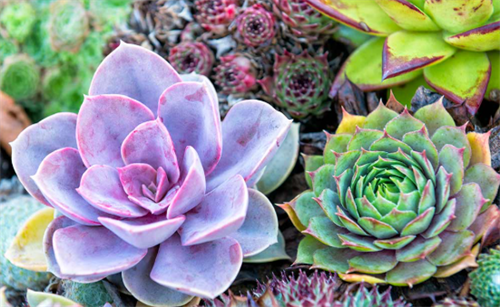
Succulent Plant Guide: Popular Varieties and Propagation Tips
Succulents, with their charming forms and easy care, have become the “new favorites” for balcony and desktop greenery. T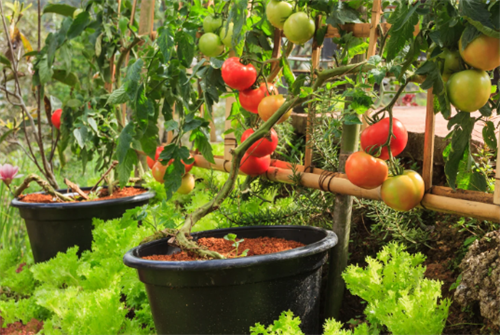
Potted Vegetable Growing Guide: Easy Tomatoes, Peppers, and Lettuce
Creating a small “mini garden” on your balcony or windowsill by growing tomatoes, peppers, and lettuce not only provides fresh ingredients but also brings the joy of gardening.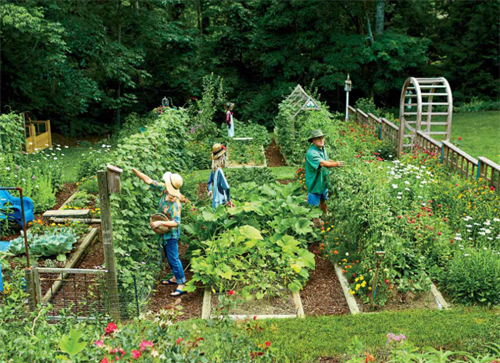
Home Vegetable Garden Planning: Fresh Vegetables All Year Round
With growing concerns over food safety, having a home vegetable garden and planting fresh produce by hand has become a lifestyle pursuit for many.